Large cleanup projects often create more waste than a property’s regular trash service can handle. A home renovation may leave behind old flooring, cabinets, fixtures, and construction materials, while a garage cleanout can produce furniture, boxes, and unwanted household items. Without a dedicated place for this debris, materials can quickly spread across the property and make the project harder to manage. Great Scott Hauling provides Dumpster Rental services that give homeowners, contractors, businesses, and property managers a practical way to collect project waste in one designated location.
The right dumpster can make a significant difference in how efficiently a project is organized. Container size, debris type, available placement space, rental duration, and pickup requirements should all be considered before ordering. Property owners looking for reliable dumpster rental in Marietta, GA can benefit from choosing a container based on the amount of material their project is expected to generate. In Atlanta, GA, residential dumpster rental services can also support homeowners completing renovations, cleanouts, landscaping work, roofing projects, and other jobs that create more waste than ordinary collection can accommodate.
Making Large Cleanup Projects Easier to Manage
A cleanup project becomes more difficult when debris has nowhere specific to go. Materials may end up in piles around the property, inside garages, along walkways, or in areas needed for tools and equipment. This can create unnecessary obstacles while making it harder to determine what has already been removed and what still needs to be handled.
A dumpster provides a central location for collecting approved waste throughout the project. Instead of repeatedly moving debris from one temporary pile to another, homeowners and contractors can place materials directly into the container. This creates a more organized workflow and can help keep the active work area clearer.
Keeping Debris in One Location
Having a designated container gives everyone working on a project a clear place to put unwanted materials. This can be particularly useful when several types of debris are being removed at the same time.
- A dedicated container can reduce scattered debris around the property.
- Centralized waste collection can make cleanup easier to organize.
- Keeping materials contained can provide more usable space around the work area.
Reducing Unnecessary Disposal Trips
Large cleanouts can require numerous trips to a disposal facility when waste is handled without a dumpster. A rental container allows materials to be collected throughout the project and removed after the work is completed.
- Fewer disposal trips can save valuable project time.
- Larger containers can hold substantial amounts of approved debris.
- Scheduled pickup can simplify the final stage of cleanup.
Choosing the Right Dumpster Size
Dumpster size should match the amount of material a project is expected to generate. A container that is too small may fill before the project is finished, while a much larger container may not be necessary for a limited cleanup. Estimating the volume of waste before ordering can help property owners make a more practical selection.
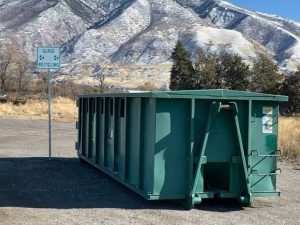
Great Scott Hauling offers different dump trailer sizes for different project requirements. Its service information describes 10-yard, 12-yard, and 22-yard options, with smaller containers suited to projects such as cleanouts and yard work and larger options designed for more substantial renovation and construction debris.
Matching Capacity to Project Volume
The amount of waste can vary significantly between projects. A small garage cleanup will have different requirements than a complete home renovation or construction project.
- Smaller cleanouts may require less container capacity.
- Renovation projects can generate larger quantities of discarded materials.
- Major construction or property cleanouts may benefit from greater capacity.
Considering the Type of Debris
Volume is not the only consideration. The type of material being discarded can also affect which container is appropriate. Household belongings, construction debris, roofing materials, and yard waste may have different disposal considerations.
- Furniture and household items can require substantial space.
- Construction debris can accumulate quickly during demolition.
- Yard and landscaping waste can create large amounts of lightweight material.
Supporting Home Renovation Projects
Remodeling projects often generate waste from the beginning of demolition through the final stages of installation. Old cabinets, flooring, drywall, fixtures, trim, and other materials may need to be removed before new materials can be installed. Without an organized disposal solution, this debris can interfere with the renovation.
A dumpster can remain available throughout the project so workers have a consistent place to deposit approved materials. This can help keep the renovation area more manageable and reduce the amount of time spent transporting debris away from the property.
Managing Remodeling Debris
Demolition often creates a mixture of materials that need to be removed as the work progresses. A dumpster can help keep these materials contained instead of allowing them to accumulate around the property.
- Old flooring and cabinetry can be collected during demolition.
- Remodeling debris can be placed directly into the container.
- A designated disposal area can help keep work zones more organized.
Supporting Roofing Projects
Roof replacement can generate substantial amounts of shingles and other discarded roofing materials. Having a dumpster available before work begins can give the roofing crew a convenient location for approved debris.
- Roofing materials can be collected as sections are removed.
- Cleanup can progress alongside the roofing work.
- The appropriate container size can help accommodate the expected waste volume.
Managing Construction Debris More Efficiently
Construction projects can generate significant quantities of waste. Wood, drywall, flooring, roofing materials, packaging, fixtures, and other construction-related debris can quickly occupy valuable space on a job site. A dedicated dumpster provides a central location for collecting these materials as work progresses.
For contractors working construction waste dumpsters in Marietta, GA can be useful during remodeling, property improvements, commercial construction, and other projects that generate substantial debris. Organizing waste removal from the beginning can help workers maintain a more manageable job site throughout the project.
Keeping Active Job Sites Organized
Construction areas need sufficient room for workers, tools, equipment, and building materials. Uncontrolled debris can take up space needed for these activities.
- A dumpster can provide a designated location for discarded materials.
- Regular debris collection can help preserve usable workspace.
- Organized waste management can make cleanup more manageable during construction.
Supporting Contractors
Contractors often work according to specific project schedules. Having a dumpster available during demolition and construction can help coordinate waste collection with the progress of the job.
- Container delivery can be planned around project start dates.
- Pickup can be scheduled after the cleanup stage is complete.
- Appropriate dumpster capacity can support different construction project sizes.
Understanding What Can Be Placed in a Dumpster
Before loading a dumpster, customers should understand which materials are accepted and which require alternative disposal methods. Standard dumpsters are generally intended for approved non-hazardous waste, while certain hazardous or restricted materials require specialized handling.
Great Scott Hauling lists household junk, furniture, construction debris, roofing materials, remodeling debris, yard waste, landscaping debris, garage cleanout materials, bulky items, and general non-hazardous waste among accepted materials. Its service information also identifies restricted materials that should not be placed in standard containers.
Handling Common Household Waste
Household cleanouts can produce many types of unwanted materials. Furniture, boxes, household belongings, and other approved items can be collected during a property cleanup.
- Furniture can be placed into an appropriately sized container.
- Household junk can be collected throughout a cleanout.
- Bulky belongings can be managed without repeated disposal trips.
Avoiding Restricted Materials
Some materials require different disposal procedures because of safety or environmental concerns. Customers should confirm requirements before loading unfamiliar materials.
- Hazardous chemicals should not be placed in standard dumpsters.
- Batteries, propane tanks, tires, and automotive fluids may require separate disposal.
- Asbestos and other hazardous materials require specialized handling.
Planning Dumpster Placement Before Delivery
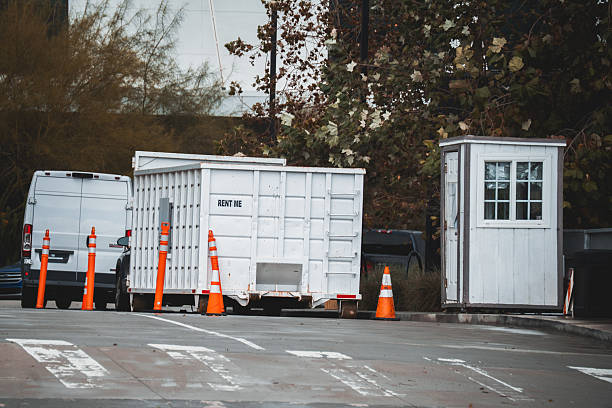
Where a dumpster is placed can affect how convenient it is to use. The container should be positioned where the delivery vehicle can access the property and where workers can safely load debris. Driveways, construction sites, and other approved areas may be considered depending on the project.
Property owners should think about access before delivery rather than waiting until the container arrives. Vehicles, equipment, low branches, gates, and other obstacles can interfere with placement or pickup if they are not considered ahead of time.
Selecting an Accessible Location
A practical location can make loading easier throughout the project. It should also provide sufficient access for delivery and eventual removal.
- The container should be placed near the active work area when practical.
- Access routes should remain clear for delivery and pickup.
- The placement surface should be appropriate for the container and project.
Preparing the Property
Preparing the intended location before delivery can help reduce unnecessary delays. Removing vehicles and other obstacles gives the delivery driver clearer access to the placement area.
- Clear the selected area before the dumpster arrives.
- Remove objects that may interfere with delivery.
- Provide clear placement instructions when arranging service.
Using Dumpster Rental for Property Cleanouts
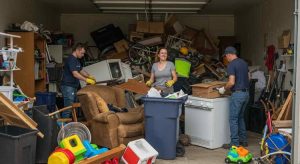
Property cleanouts can involve many different types of unwanted materials. Moving, downsizing, estate cleanouts, rental property turnovers, garage cleanouts, and major household organization projects may all produce more waste than normal trash collection can handle.
A dumpster gives property owners a convenient location for collecting materials as each area is cleared. This allows the cleanup to progress room by room or section by section instead of requiring a disposal trip after every load.
Simplifying Garage Cleanouts
Garages frequently accumulate old furniture, boxes, equipment, tools, storage items, and other belongings. A dumpster can make a large garage cleanup easier to organize.
- Unwanted furniture can be collected during the cleanup.
- Boxes and household clutter can be placed in one designated container.
- A centralized dumpster can reduce the need for multiple disposal trips.
Supporting Estate and Property Cleanouts
Estate cleanouts and rental property turnovers can involve large amounts of furniture, household items, and miscellaneous debris. Having a container available can help keep the process organized.
- Property managers can coordinate waste collection with turnover schedules.
- Household belongings can be collected as rooms are cleared.
- Larger containers can support extensive cleanout projects.
Managing Dumpster Use During Landscaping Projects
Landscaping projects can produce substantial amounts of branches, leaves, soil, vegetation, and other outdoor debris. Property improvements such as removing old landscaping, clearing overgrown areas, or preparing spaces for new features can generate more material than regular yard-waste collection can handle.
A dumpster can provide a central collection point for approved landscaping debris. Before loading the container, property owners should confirm that the specific materials are accepted and understand any limitations that apply to heavy materials.
Handling Yard Waste
Yard projects can create large volumes of lightweight organic debris. Keeping these materials together can make the cleanup process easier to manage.
- Yard waste can be collected during landscaping work.
- Branches and vegetation can be organized in one disposal area when accepted.
- A dumpster can help keep cleared areas free of accumulating debris.
Planning Around Heavy Materials
Some landscaping projects involve dirt, concrete, asphalt, or other heavy materials. These materials may have specific weight or volume restrictions.
- Heavy materials should be confirmed with the dumpster provider before loading.
- Weight limits should be considered when estimating project debris.
- Proper planning can help avoid problems caused by exceeding container limitations.
Making the Rental Process More Organized
A straightforward rental process helps property owners and contractors plan waste removal around their project. Customers typically need to provide information about the project, choose an appropriate container, arrange delivery, load approved materials, and schedule pickup when the project is finished.
Great Scott Hauling describes its dumpster process around these basic steps. Its service information also explains that pricing can include specific weight allowances and that additional rental days or excess weight may result in additional charges depending on the selected container.
Scheduling Delivery Around the Project
The dumpster should arrive when it will actually be needed. Coordinating delivery with demolition, cleanup, or construction can help prevent debris from accumulating before the container is available.
- Delivery can be planned around the project’s start date.
- Rental duration can be considered based on the expected cleanup timeline.
- Pickup can be scheduled after the container is no longer needed.
Loading the Container Properly
Using the available space correctly can help customers get more value from the selected dumpster. Materials should be placed carefully and should not exceed the container’s permitted fill level.
- Debris should remain below the designated top rail.
- Materials should be distributed rather than creating unstable piles.
- Restricted items should be kept out of the container.
Choosing Dumpster Rental for Residential and Commercial Needs
Different customers have different waste management requirements. Homeowners may need a container for a renovation or cleanout, while contractors may need one throughout a construction project. Businesses and property managers can also require temporary waste removal during renovations, relocations, or property maintenance.
The most appropriate Trusted Dumpster Rental Service depends on project size, debris type, placement requirements, rental duration, and expected disposal volume. Taking these factors into account before ordering can help customers select a more suitable option and avoid unnecessary interruptions.
Supporting Residential Projects
Homeowners can use dumpster services for many property improvement and cleanup projects.
- Home renovations can generate substantial amounts of construction debris.
- Garage cleanouts can require additional space for bulky household items.
- Roofing and landscaping projects can benefit from dedicated waste collection.
Supporting Commercial Projects
Businesses and contractors may need temporary waste management during active projects or property changes.
- Construction sites can use dumpsters for ongoing debris collection.
- Commercial renovations can benefit from centralized waste disposal.
- Property managers can coordinate cleanup with scheduled dumpster pickup.
Conclusion
A well-planned Dumpster Rental can simplify the waste management side of home renovations, construction projects, property cleanouts, roofing work, landscaping, and other large cleanup jobs. Instead of allowing debris to spread across a work area or making repeated disposal trips, property owners can collect approved materials in one designated container. Selecting the right size, preparing the placement area, understanding accepted materials, and coordinating delivery and pickup can all contribute to a more organized project.
Property owners looking for reliable dumpster rental in Atlanta, GA can choose a container based on the size and type of cleanup they are completing. In Atlanta, GA, professional residential dumpster rental services can also provide practical waste collection for homeowners working on renovations, garage cleanouts, roofing projects, and property improvements. Great Scott Hauling offers different container options intended for a range of residential, commercial, and construction needs, giving customers a practical way to manage project debris from the beginning of cleanup through final pickup.
FAQs
What can Dumpster Rental be used for?
Dumpster Rental can be used for many approved non-hazardous materials, including household junk, furniture, remodeling debris, construction waste, roofing materials, yard waste, and garage cleanout materials.
How do I choose the right dumpster size?
Consider the expected volume and type of debris. Smaller cleanouts generally require less capacity, while renovations, construction, and major property cleanouts may require larger containers.
Can dumpsters be used for roofing projects?
Yes. Roofing materials are among the types of debris that can be accepted, although customers should confirm material requirements and container limitations before loading.
What should I do before dumpster delivery?
Clear the intended placement area, remove vehicles and obstacles, and make sure the delivery route is accessible. Providing clear placement instructions can also help with delivery.
Can I put hazardous materials in a dumpster?
No. Hazardous materials and other restricted items require appropriate disposal methods. Customers should confirm accepted and prohibited materials before placing anything unusual in the container.