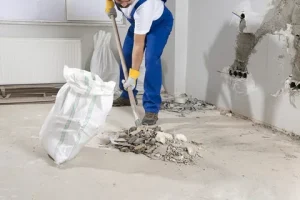
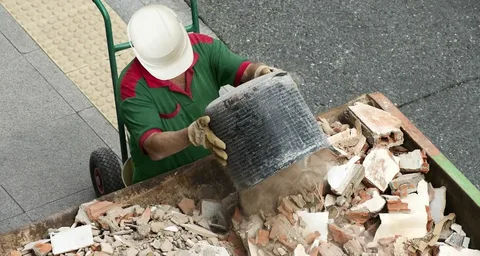
Construction projects often leave behind piles of wood, drywall, concrete, metal, and packaging materials. Although these materials are a normal part of building and renovation work, they can quickly create clutter. A clean work area helps contractors stay organized, reduces potential hazards, and makes it easier to complete projects on schedule. For homeowners, proper waste management also keeps driveways, yards, and entrances accessible.
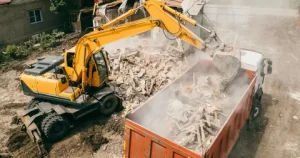
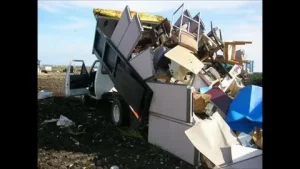
Professional cleanup becomes especially helpful when a project produces more waste than regular household collection can handle. Reliable construction debris removal helps property owners and contractors manage leftover materials without allowing them to accumulate around the site. In Austell, GA, and nearby Atlanta, residential renovations, commercial improvements, and new construction projects can all generate different types of waste.
Great Scott Hauling helps property owners understand their hauling needs and manage unwanted materials more efficiently. However, every project requires a slightly different approach. A bathroom remodel may produce broken tiles and plumbing fixtures, while a commercial renovation can leave behind metal framing, drywall, and large quantities of packaging.
Planning cleanup before work begins can prevent unnecessary delays. Moreover, separating reusable materials from general waste may support recycling efforts and reduce the amount sent to landfills. With the right preparation, property owners can maintain cleaner surroundings throughout construction and handle final cleanup with greater confidence.
Understanding Construction Debris Removal for Different Projects
Construction waste varies according to the size, purpose, and stage of a project. Residential work usually produces smaller quantities of mixed materials, while commercial construction may generate heavier loads and larger volumes. Understanding these differences helps property owners select an appropriate hauling solution.
For example, replacing kitchen cabinets creates wood scraps, cardboard, countertops, and hardware. Meanwhile, removing a concrete walkway produces heavier debris that requires different handling. Therefore, identifying the waste before arranging collection can help prevent unexpected complications.
Common Types of Construction Waste
Most construction and renovation projects produce several categories of waste. Recognizing them makes cleanup easier and supports responsible disposal.
- Wood and lumber: Broken boards, framing scraps, damaged cabinets, and leftover plywood.
- Drywall and insulation: Wallboard pieces, ceiling materials, and suitable insulation waste.
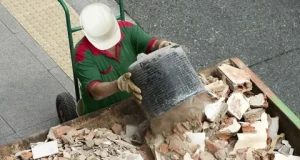
- Concrete and masonry: Bricks, concrete fragments, tiles, and mortar.
- Metal materials: Pipes, wiring scraps, metal studs, and old fixtures.
- Packaging waste: Cardboard boxes, plastic wrapping, and protective materials.
Some materials require special handling. For instance, suspected asbestos-containing products, certain chemicals, and other hazardous waste should not enter ordinary construction loads. Property owners should consult qualified professionals and follow applicable disposal requirements.
Additionally, waste separation can improve recycling opportunities. Clean metal, untreated wood, and certain masonry products may qualify for recovery through suitable facilities. However, acceptance rules vary by location and material condition.
When planning construction debris removal, consider the waste type, quantity, access conditions, and disposal requirements. These details help determine the most practical approach for residential and commercial properties in Austell and Atlanta.
Benefits of Professional Construction Debris Removal
A construction site can become difficult to manage when leftover materials occupy walkways, entrances, and working areas. Professional hauling helps restore usable space and allows workers to focus on their assigned tasks. Furthermore, planned waste collection can reduce the time spent moving debris between different parts of a property.
How Reliable Construction Debris Removal Supports Better Projects
Reliable construction debris removal service begins with understanding the project’s cleanup requirements. A contractor completing a home renovation may need one collection after demolition, while a larger commercial project may require several pickups.
Here are five practical benefits to consider:
- Improved site organization: Removing unwanted materials keeps work areas more manageable.
- Reduced tripping hazards: Clearing walkways helps workers move around the property more safely.
- Better project coordination: Scheduled pickups can reduce interference with deliveries and ongoing work.
- More usable space: Removing bulky waste frees up driveways, storage areas, and staging zones.
- Simplified final cleanup: Regular collection prevents debris from accumulating until the final day.
However, hauling alone cannot replace a complete site safety plan. Workers must still follow appropriate procedures for lifting, handling tools, and managing hazardous materials.
Property owners should also confirm what a hauling service accepts before scheduling collection. Heavy concrete, mixed demolition waste, and oversized items may have different requirements.
Moreover, timing matters. Arranging collection after major demolition can prevent waste from blocking subsequent construction activities. For longer projects, smaller scheduled pickups may prove more practical than allowing debris to accumulate.
By coordinating waste collection with the construction schedule, property owners can maintain better control over cleanup and avoid unnecessary disruptions.
Planning Construction Site Cleanup in Austell and Atlanta
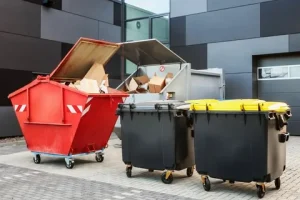
Successful cleanup starts before the first materials enter a dumpster or hauling vehicle. Contractors should identify where debris will accumulate, how workers will access the collection area, and which materials need separate handling. These decisions become particularly important on occupied properties and commercial sites with limited parking.
Five Practical Steps for Effective Construction Site Cleanup
A clear cleanup plan helps everyone understand their responsibilities. It also reduces confusion when several trades work at the same location.
- Identify collection areas: Choose a convenient location that does not obstruct entrances, emergency access, or deliveries.
- Separate materials: Keep recyclable materials apart when practical and permitted by local facilities.
- Estimate the waste volume: Consider the amount and type of debris expected during each project phase.
- Schedule pickups: Coordinate collection around demolition, installation, and final inspection work.
- Inspect the property: Check walkways, parking areas, and outdoor spaces after hauling.
These steps can support construction site cleanup on residential and commercial properties throughout Austell and Atlanta.
Furthermore, cleanup planning should account for weather conditions. Rain can make loose materials heavier, while wind may scatter lightweight packaging across nearby properties. Securing materials and keeping waste contained helps reduce these problems.
Commercial sites may also need to coordinate with property managers, tenants, or neighboring businesses. Therefore, scheduling collection during suitable access periods can limit disruption.
Finally, review local disposal requirements before moving construction waste. Different materials may require different facilities, and some municipalities have specific rules for certain waste categories.
Choosing a Suitable Construction Waste Removal Service
Selecting a hauling provider involves more than comparing prices. Property owners should understand the service’s accepted materials, collection process, scheduling options, and disposal practices. These details help establish realistic expectations before the work begins.
Five Questions to Ask Before Booking
Before arranging construction waste removal in Atlanta, GA , discuss the project requirements with the provider. Clear communication can prevent delays and unexpected charges.
- Which materials do you accept? Confirm whether the service handles drywall, lumber, concrete, metal, and mixed construction waste.
- How is pricing determined? Ask whether the estimate depends on volume, material weight, labor, access, or other factors.
- Are there restricted materials? Clarify the policy for chemicals, suspected asbestos, paint, and other potentially hazardous waste.
- When can collection take place? Discuss available scheduling windows and any preparation needed before arrival.
- Where does the waste go? Ask whether suitable materials are recycled, recovered, or sent to an approved disposal facility.
Reliable communication matters because construction projects rarely produce identical waste loads. For instance, a small flooring renovation may generate relatively light debris, while concrete removal can create a heavy load that affects transportation and disposal costs.
Additionally, access can influence the collection process. Narrow driveways, gated entrances, stairs, and limited loading areas may require extra planning.
Homeowners should also consider whether they need a single cleanup or repeated collections. Contractors working on larger properties may benefit from arranging pickups around specific project milestones.
Great Scott Hauling can be considered when evaluating hauling options for projects in the area. However, property owners should confirm the company’s current service coverage, accepted materials, pricing, and scheduling directly before making arrangements.
A suitable provider should explain the process clearly and help customers understand the practical requirements of their particular project.
Managing Waste Responsibly During Construction
Responsible waste handling protects the surrounding property and helps reduce unnecessary disposal. Although some debris cannot be reused, many projects produce materials that may qualify for recycling or recovery. Planning for these opportunities can improve waste management without complicating the construction schedule.
Five Best Practices for Responsible Debris Handling
Property owners and contractors can adopt several practical habits during construction.
- Reuse suitable materials: Keep undamaged lumber, fixtures, and other usable items when project plans and safety requirements permit.
- Separate recyclable waste: Collect clean metals, cardboard, and other accepted materials separately.
- Protect surrounding areas: Use suitable coverings and containment methods to prevent debris from spreading.
- Handle hazardous waste separately: Follow professional guidance and applicable regulations for restricted materials.
- Arrange timely collection: Avoid excessive accumulation that could obstruct access or create avoidable hazards.
These practices can make construction waste removal more organized from demolition through project completion.
However, recycling depends on local facility requirements. Materials contaminated with adhesives, paint, insulation, or other substances may not qualify for standard recycling programs. Always confirm acceptance rules before transporting them.
Property owners should also avoid placing heavy materials on surfaces that cannot support their weight. Concrete, brick, and masonry can create substantial loads, so collection arrangements must account for safe handling and transportation.
Moreover, businesses should maintain clear records when their projects require specific waste documentation. This approach can help demonstrate that materials were managed according to applicable project requirements.
In Austell and Atlanta, the most effective waste management plan depends on the project’s size, materials, location, and schedule. By considering these factors early, property owners can keep work areas organized and make informed decisions about disposal.
Conclusion
Construction projects often create more waste than homeowners and contractors initially expect. From broken drywall and lumber to concrete, metal, and packaging, leftover materials can quickly occupy valuable space. A practical cleanup plan helps keep the property organized while supporting safer movement around the work area.
Residential renovations may require a single collection after demolition. In contrast, commercial projects can benefit from scheduled pickups throughout construction. Therefore, understanding the type and quantity of debris is an important first step when planning hauling services.
Property owners should also consider recycling opportunities, restricted materials, site access, and local disposal requirements. Furthermore, discussing these details with a hauling provider before booking can help prevent misunderstandings and reduce avoidable delays.
For homeowners and contractors seeking reliable construction debris removal in Austell, GA, comparing service options and confirming accepted materials can make cleanup easier to manage. Projects in Atlanta may also require careful scheduling, particularly when contractors share access areas with tenants, customers, or other workers.
Choosing an appropriate hauling solution does not eliminate every construction challenge. However, regular collection and responsible waste handling can help maintain a more organized property throughout the project.
Great Scott Hauling is one option to consider when researching local hauling services. Before scheduling, confirm current availability, pricing, service areas, and material restrictions directly with the provider.
Ultimately, effective cleanup begins with preparation. By estimating waste volumes, planning collection times, and handling materials responsibly, property owners can keep their projects moving while maintaining cleaner surroundings.
FAQs
What materials can construction debris removal services collect?
Services may accept lumber, drywall, metal, concrete, bricks, old fixtures, and packaging. Accepted materials vary by provider, so confirm the details before booking.
When should I schedule construction debris removal?
Schedule collection after major demolition, when debris begins to obstruct work areas, or before final cleanup. Larger projects may require several pickups.
Is construction waste removal available for residential and commercial properties?
Many hauling providers serve both property types. Confirm the provider’s service coverage, material restrictions, and capacity for your project’s needs.
Can construction debris be recycled instead of discarded?
Yes. Certain metals, clean wood, cardboard, concrete, and masonry may qualify for recycling or recovery. Acceptance depends on material condition and local facility rules.
How can I prepare my property for a construction debris pickup?
Identify the collection area, separate restricted materials, estimate the debris volume, and maintain clear access. Ask the provider about any additional preparation requirements.