Use up and down arrow keys to resize the meta box pane.
Construction projects often create more waste than homeowners and contractors expect. Old drywall, broken tiles, wood scraps, packaging, and damaged fixtures can quickly fill a work area. As a result, debris can slow down progress, limit access, and create safety concerns for workers and property owners.
Great Scott Hauling helps customers manage unwanted materials during renovations, remodeling projects, and property improvements. Having a clear removal plan can make cleanup easier and help keep the work area organized from start to finish.
Professional reliable construction debris removal gives property owners a practical way to handle waste without letting piles of materials take over the site. Furthermore, a planned cleanup process helps workers maintain clear walkways and identify hazards before they cause problems.
Homeowners and contractors in Austell, GA, and nearby Marietta may need different solutions depending on the size of their projects. A small bathroom renovation might produce a few loads of debris, while a major remodel could require repeated pickups or a larger waste container.
Understanding the available removal options helps you choose a service that fits your timeline, site conditions, and budget. With proper planning, you can keep your project moving while managing unwanted materials responsibly.
Why Construction Debris Removal Matters
Construction waste can affect more than the appearance of a property. Piles of broken materials may block entrances, create tripping hazards, and make it harder for workers to move tools or supplies. Therefore, regular cleanup should form part of the overall project plan.
Keeping Work Areas Safer and More Organized
A clean work area allows contractors to focus on their tasks instead of moving waste from one location to another. For example, removing broken boards and drywall scraps can clear access to doorways, storage areas, and work surfaces. Moreover, organized waste collection makes it easier to separate materials that may need special handling.
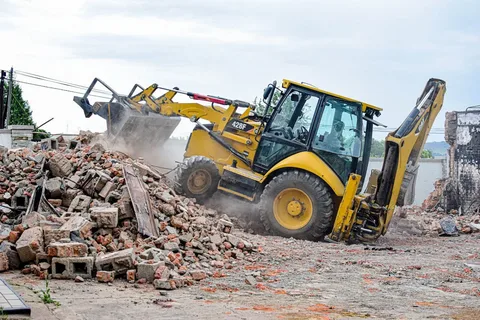
Professional construction debris removal service can support cleanup during several types of projects, including kitchen renovations, bathroom remodels, flooring replacements, and interior demolition. However, the amount of waste and the best removal schedule will depend on the job.
Consider these practical benefits:
- Clear walkways: Remove loose materials that could cause trips or obstruct access.
- Better organization: Keep waste away from tools, supplies, and finished surfaces.
- Improved workflow: Give workers more room to complete tasks efficiently.
- Easier material handling: Collect debris in designated areas instead of spreading it around the property.
- Cleaner surroundings: Reduce the chance of waste spilling into driveways or nearby areas.
Additionally, contractors should identify sharp, heavy, dusty, or potentially hazardous materials before moving them. Ordinary hauling services may not accept chemicals, asbestos-containing materials, or certain other regulated waste. Always confirm disposal requirements before arranging a pickup.
Choosing the Right Waste Removal Option
Every construction project produces a different volume and mix of waste. A homeowner replacing a few cabinets may need only a limited pickup, while a contractor handling a full renovation may require ongoing removal. Therefore, assess the project’s size before selecting a service.
Comparing Hauling Services and Container Rentals
Reliable professional construction debris removal starts with understanding how much waste the project will generate and when it will need to leave the property. Some projects benefit from scheduled hauling, while others may suit a container that stays on-site during the work.
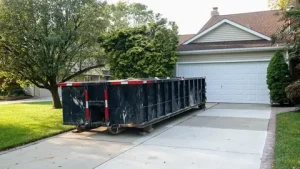
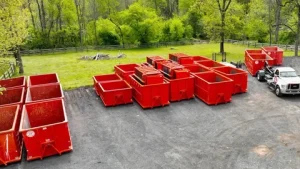
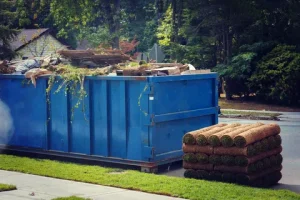
A construction dumpster rental may offer a practical option when a project produces debris over several days. It gives workers a designated place to collect approved materials. However, customers should check weight limits, rental periods, placement rules, and prohibited items before booking.
Use these five points to compare your options:
- Project size: Estimate the amount of waste from demolition and installation work.
- Cleanup schedule: Decide whether you need one pickup or several collections.
- Available space: Check whether the driveway or worksite can accommodate a container or hauling vehicle.
- Accepted materials: Confirm which construction materials the provider can collect.
- Total cost: Compare labor, transportation, container fees, weight limits, and additional charges.
Furthermore, ask whether the service includes loading or only transportation. These arrangements differ, so a clear agreement can prevent confusion on collection day.
For background on waste management principles, the waste management article explains common approaches to handling and disposing of unwanted materials.
Planning an Effective Construction Site Cleanup
A cleanup plan works best when it begins before demolition starts. Without a clear process, waste can collect in corners, block work areas, and become harder to load. Consequently, project managers should decide where debris will go and how often it will leave the property.
Building Cleanup Into Your Project Schedule
A well-organized construction site cleanup process includes regular collection, safe storage, and timely hauling. For example, crews can remove loose debris at the end of each workday rather than allowing it to accumulate until the final inspection.
Follow these five steps to manage waste more effectively:
- Set a collection area: Choose a location that does not block exits, walkways, or equipment access.
- Separate materials: Keep recyclable items apart when practical and when local facilities accept them.
- Schedule pickups: Arrange removal around demolition phases and expected waste volumes.
- Protect the property: Keep debris away from drains, landscaping, and neighboring driveways.
- Review special waste: Identify materials that need a separate disposal process before loading begins.
Additionally, workers should wear suitable protective equipment when handling sharp edges, dust, and heavy objects. Never mix unknown chemicals or hazardous materials with ordinary construction waste.
A cleanup plan should also account for weather and site access. Rain can make some materials heavier, while strong winds may scatter lightweight packaging. Therefore, secure loose debris and keep collection areas orderly throughout the project.
What to Consider When Hiring a Hauling Company
Choosing a hauling provider requires more than comparing prices. Customers should understand what the service includes, how the company handles different materials, and what preparation the property owner must complete. Clear expectations help prevent delays and unexpected charges.
Questions to Ask Before Booking
When searching for construction debris removal near me, look for a provider that explains its services clearly and answers practical questions. Confirm the service area, pickup availability, loading arrangements, and disposal policies before scheduling work.
Keep these five considerations in mind:
- Service details: Ask whether the quote includes loading, hauling, and disposal fees.
- Material restrictions: Confirm which items the provider accepts and which require separate handling.
- Access requirements: Explain narrow driveways, gates, parking limits, or other site challenges.
- Scheduling: Ask about pickup windows and how the company handles changes to the project timeline.
- Pricing terms: Find out whether weight, volume, labor, or extra trips affect the final bill.
In addition, request a written estimate when possible. It should describe the expected work and identify potential extra costs. This makes it easier to compare providers offering similar services.
Property owners in Austell and Marietta should also consider where the debris will be loaded. Keep vehicles, pets, and bystanders away from the active work area. Finally, make sure the removal plan follows applicable local rules and any requirements that apply to the property.
Managing Construction Waste Responsibly
Removing debris is only one part of responsible construction waste management. The next step involves determining how collected materials should be handled. Some materials may qualify for recycling or reuse, while others require disposal at an approved facility.
Reducing Waste During Renovations and Repairs
A practical construction debris removal in Marietta, GA plan can begin with purchasing materials carefully and protecting supplies from damage. For example, accurate measurements may reduce unused flooring, lumber offcuts, and excess packaging. Likewise, saving suitable fixtures or materials for reuse can reduce the amount sent for disposal.
Use these five practices to manage waste more responsibly:
- Measure before ordering: Reduce excess materials by calculating project needs carefully.
- Reuse suitable items: Set aside undamaged fixtures or supplies when safe and practical.
- Separate recyclable waste: Keep accepted metal, cardboard, and other recyclable materials apart.
- Protect materials: Store supplies properly to prevent moisture damage and breakage.
- Confirm disposal rules: Ask the hauling provider about accepted items and approved disposal methods.
However, not every material can be recycled through standard facilities. Painted materials, treated wood, insulation, and mixed construction waste may have specific requirements. Ask before placing them in a container or hauling pile.
Great Scott Hauling is a provider to consider when arranging debris pickup for a construction or renovation project. Discuss the type and volume of waste in advance so you can understand the available service options. A clear plan helps you manage materials, keep the site organized, and avoid last-minute disposal problems.
Conclusion
Construction projects naturally create waste, but unmanaged debris does not have to disrupt the work. A clear removal plan helps contractors and homeowners maintain accessible work areas, reduce clutter, and manage materials throughout the project. Furthermore, regular cleanup can make it easier to identify hazards and keep tools and supplies organized.
Before choosing a hauling service, estimate the volume of debris and identify the materials that need removal. Then compare pickup schedules, loading arrangements, accepted items, and total costs. If your project will generate waste over several days, ask whether a container rental or scheduled hauling service better fits your site.
For projects in Austell and nearby Marietta, selecting reliable construction debris removal in Austell, GA can help you plan the cleanup process around your renovation schedule. Confirm the provider’s service details before booking, especially if the site has limited access or includes materials that may require special handling.
Responsible disposal also matters. Separate recyclable items when practical, protect the surrounding property, and follow local requirements for restricted waste. Most importantly, never assume that hazardous materials belong with ordinary construction debris.
With careful planning and clear communication, you can keep waste under control from demolition through the final cleanup. The right approach helps support a more organized worksite and lets you focus on completing the project.
FAQs
What materials can construction debris removal services collect?
Services commonly handle items such as wood scraps, drywall, broken tiles, and renovation waste. Accepted materials vary, so confirm restrictions before booking.
Is construction dumpster rental suitable for home renovations?
Yes. A dumpster may suit projects that generate debris over several days. Check container size, weight limits, placement requirements, and rental fees first.
How often should construction debris be removed?
Small projects may need one pickup, while larger renovations may require regular collections. The ideal schedule depends on waste volume, site space, and project timing.
Do hauling services accept hazardous construction materials?
Not always. Asbestos, chemicals, and other regulated materials may require specialized handling. Confirm the proper disposal process before arranging removal.
How can I prepare my property for debris pickup?
Keep the loading area accessible, separate restricted materials, and move vehicles away from the collection zone. Confirm any additional preparation instructions with your provider.