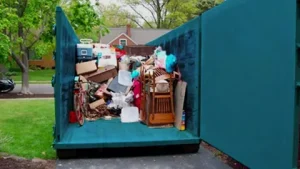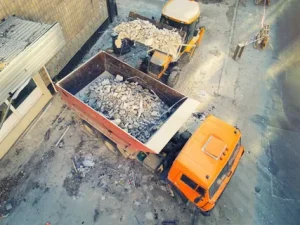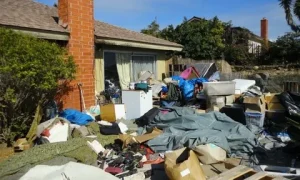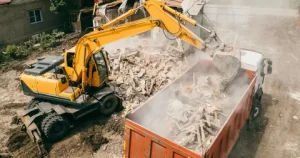
Construction projects create more waste than many property owners expect. Old drywall, broken concrete, scrap wood, damaged flooring, and packaging materials can quickly fill a work area. Without a clear disposal plan, these materials can slow progress, create safety hazards, and make cleanup more difficult. Professional waste management helps keep projects organized from demolition through the final stages of construction.
For homeowners, contractors, and renovation teams, reliable construction debris removal provides a practical way to manage unwanted materials. A well-organized cleanup process also gives workers more room to move equipment, transport supplies, and complete tasks efficiently. Furthermore, separating recyclable materials from general waste can support responsible disposal practices.
Great Scott Hauling helps property owners and contractors manage debris generated by renovations, construction work, and property improvements. Its hauling services can support projects that require the removal of bulky materials and accumulated construction waste.
In Mableton, GA, residential renovations, commercial improvements, and property maintenance projects can generate different types of debris. Each project requires a suitable approach based on material type, volume, access, and disposal requirements. Nearby communities, including Marietta, also have projects that benefit from organized waste removal.
Understanding how hauling services work can help you plan your cleanup, control delays, and maintain a safer work environment. With the right preparation, construction waste becomes easier to manage throughout the project.
Why Construction Debris Removal Matters for Local Projects
Construction debris affects more than the appearance of a job site. Piles of discarded materials can restrict access, create tripping hazards, and interfere with equipment movement. Therefore, contractors should include waste management in their project plans instead of waiting until the final day.
A clean work area also helps teams organize tools and identify materials that still have value. For example, keeping reusable lumber separate from damaged drywall can reduce confusion during renovation work. Moreover, organized disposal makes it easier to maintain a professional environment around residential and commercial properties.
How Professional Hauling Supports Better Project Management
Reliable expert construction debris removal helps contractors clear unwanted materials without diverting their workers from essential tasks. Instead of assigning valuable labor hours to repeated hauling trips, project managers can arrange waste collection around their construction schedules.
However, every project has different requirements. A bathroom renovation may produce tile, plumbing fixtures, and drywall, while a commercial remodeling project may generate large quantities of packaging and demolished building materials.
Consider these practical benefits when planning your cleanup:
- Improved access: Clear pathways help workers transport tools and supplies.
- Better organization: Designated waste areas reduce clutter throughout the project.
- Fewer interruptions: Planned collection helps prevent debris from accumulating.
- Safer movement: Removing loose materials reduces common trip hazards.
- Cleaner surroundings: Proper waste handling helps protect neighboring properties.
Additionally, contractors should identify where waste will accumulate before demolition begins. This step helps prevent debris from blocking entrances, driveways, and emergency access routes.
Ultimately, a clear cleanup plan supports smoother workdays. It also helps property owners understand what happens to unwanted materials as the project progresses.
Choosing Reliable Construction Waste Removal Services
Selecting a hauling provider requires more than finding someone who can transport unwanted materials. You should understand what the service includes, which materials the provider accepts, and how the collection process fits your project.
Some jobs require a single pickup after demolition. Others generate debris over several days or weeks. Consequently, the right arrangement depends on the volume of waste, available storage space, and project timeline.
What to Consider Before Booking a Service
When comparing options, look for reliable construction debris removal service that matches the actual needs of your property. Clear communication can prevent misunderstandings about accepted materials, collection timing, and potential additional charges.
Before scheduling a pickup, review these five practical considerations:
- Waste volume: Estimate the amount of debris your project will produce.
- Material types: Identify wood, drywall, metal, concrete, and other discarded items.
- Site accessibility: Check driveway clearance, gate widths, and loading areas.
- Collection timing: Choose a schedule that works with demolition and renovation activities.
- Pricing details: Ask how labor, material restrictions, transportation, and disposal fees affect the final cost.
Furthermore, request clarification about items that may require special handling. Paints, solvents, chemicals, batteries, and other regulated materials may not qualify for standard hauling services.
In contrast, ordinary renovation debris often follows a more straightforward collection process, provided the materials meet the provider’s requirements.
For contractors working in Mableton and Marietta, advance planning can reduce unnecessary delays. It also allows the hauling provider to prepare for the expected load and site conditions.
A good service arrangement should offer clear expectations rather than vague promises. Confirming these details before work begins makes the entire cleanup process easier to coordinate.
Managing Different Types of Construction Waste
Construction waste includes many materials, and each type requires appropriate handling. Mixing everything into one pile may seem convenient. However, it can complicate recycling, increase disposal costs, and create problems when certain materials require separate treatment.
A renovation project might produce clean wood, metal fixtures, broken tiles, insulation, and damaged drywall. Meanwhile, demolition work can generate concrete, brick, roofing materials, and other heavy debris.
Practical Ways to Organize Construction Waste
Using professional construction waste removal alongside a simple sorting plan helps keep materials organized. You do not need a complicated system for every small project. Instead, identify the major waste categories and establish suitable collection areas.
Follow these five practical steps:
- Separate recyclable materials: Keep suitable metal, cardboard, and clean wood apart when possible.
- Contain loose debris: Use appropriate containers to prevent lightweight materials from scattering.
- Manage heavy waste carefully: Avoid overloading containers with concrete, brick, or tile.
- Protect reusable items: Store materials intended for reuse away from demolition debris.
- Identify restricted waste: Set aside potentially hazardous materials for approved handling.
Additionally, check local disposal requirements before transporting construction waste. Acceptance rules can differ by facility and material type.
However, not every discarded item can be recycled locally. Contaminated materials, mixed debris, and certain composite products may require different disposal methods.
A practical sorting system helps contractors make informed decisions. It also gives hauling providers a clearer picture of the load before collection.
Keeping Construction Sites Clean and Safe
A construction site changes throughout the day. Workers remove old materials, install new components, move equipment, and carry supplies between work areas. Without regular cleanup, debris can quickly interfere with these activities.
For example, loose nails, broken tile, and scattered wood can create hazards around workstations. Similarly, large piles near entrances can obstruct movement and make material deliveries more difficult.
Building Cleanup Into the Daily Work Schedule
The most effective reliable construction debris removal plan combines routine housekeeping with scheduled hauling. Workers should not wait until the entire project ends before addressing waste accumulation.
Use these five practices to maintain an orderly site:
- Set a cleanup routine: Assign time for removing debris at suitable points during the workday.
- Maintain clear walkways: Keep entrances, stairs, and access routes free from discarded materials.
- Use suitable protective equipment: Follow safety procedures when handling sharp or heavy debris.
- Store waste securely: Prevent wind and rain from spreading lightweight materials.
- Arrange timely pickups: Schedule collection before waste interferes with ongoing work.
Furthermore, keep cleanup responsibilities clear. Workers should understand which materials they must separate and where they should place them.
Heavy debris deserves particular attention because excessive loads can strain workers and damage equipment. Use suitable lifting methods and mechanical assistance when necessary.
Meanwhile, contractors should protect drains and nearby landscaping from loose sediment and construction waste. Appropriate containment helps prevent debris from spreading beyond the work area.
Regular cleanup does not eliminate every construction hazard. Nevertheless, it supports safer working conditions and helps teams maintain better control over the project.
Planning Waste Removal for Renovations and Demolition
Different construction projects produce different waste volumes. A small kitchen update may generate cabinets, countertops, packaging, and flooring. A larger demolition project can produce substantial quantities of concrete, lumber, drywall, and metal.
Therefore, contractors should estimate waste volume before selecting a collection method. This estimate helps determine the required hauling capacity and the best time to arrange removal.
Five Steps for a More Efficient Cleanup Plan
A thoughtful construction site cleanup strategy can prevent debris from interfering with project milestones. Start planning before demolition begins, then adjust the schedule as the work progresses.
Use these five steps to prepare:
- Assess the project: Identify the rooms, structures, or outdoor areas involved.
- Estimate the waste: Consider material types, quantities, and bulky items.
- Choose collection points: Select accessible locations that do not block work areas.
- Coordinate pickup dates: Align hauling visits with major demolition and construction stages.
- Review the final site: Check for remaining debris and materials requiring separate disposal.
Additionally, consider weather conditions when storing waste outdoors. Rain can make cardboard heavier, spread loose materials, and complicate access to certain areas.
For residential projects, protect driveways, landscaping, and neighboring properties during loading. Commercial sites may also need to coordinate deliveries, parking, and pedestrian access.
In Mableton and nearby Marietta, these preparations can help residential contractors and property managers organize renovation work more effectively.
Keep in mind that unexpected waste may appear once workers open walls or remove old fixtures. Allowing some flexibility in the collection schedule can help accommodate these changes.
Good planning does not require predicting every detail. Instead, it creates a workable system that can adapt as the project develops.
Understanding the Value of Professional Debris Hauling
Construction cleanup requires time, labor, transportation, and suitable disposal arrangements. Although some property owners prefer handling small amounts of waste themselves, larger projects may benefit from professional hauling.
The best option depends on the quantity of debris, the available vehicle, disposal facility requirements, and the time needed to complete the work.
When Professional Hauling Makes Sense
For larger projects, expert construction debris removal in Marietta, GA can simplify the process of collecting, loading, transporting, and disposing of unwanted materials. It can also help contractors keep their attention on construction tasks.
Consider these five factors when deciding how to manage the waste:
- Project size: Large renovations often generate more debris than a household vehicle can safely carry.
- Material weight: Concrete, masonry, and similar materials require suitable transportation capacity.
- Available labor: Hauling waste yourself takes time away from other responsibilities.
- Disposal requirements: Different materials may need separate facilities or handling procedures.
- Project deadlines: Timely collection helps maintain access and avoid unnecessary clutter.
Furthermore, compare the total cost of each option rather than focusing only on the initial price. Fuel, equipment rental, disposal charges, and employee time can add up quickly.
Great Scott Hauling provides a hauling option for projects that need unwanted materials removed from the property. Before scheduling, discuss the type of debris, approximate load size, access conditions, and any restricted items.
However, professional hauling does not replace responsible waste sorting. Contractors should still identify recyclable materials and arrange specialized disposal for items that standard services cannot accept.
For smaller jobs, a few carefully planned disposal trips may be sufficient. For larger projects, scheduled collection may offer a more practical approach.
The goal is to choose a method that fits the project’s scale, budget, and safety requirements.
Conclusion
Construction projects run more smoothly when contractors plan for waste removal from the beginning. Broken drywall, discarded lumber, concrete, packaging, and old fixtures can quickly occupy valuable work areas. Without a clear cleanup strategy, these materials may create hazards and interrupt important tasks.
A practical approach starts with estimating waste volume, identifying material types, and choosing accessible collection points. Furthermore, separating recyclable materials and checking disposal requirements can support responsible waste management. Regular housekeeping also helps workers maintain clear pathways throughout the project.
For property owners and contractors, choosing a suitable hauling service depends on the project’s size, schedule, and disposal needs. Smaller renovations may require only one collection, while larger construction jobs can benefit from planned pickups at different stages.
When comparing providers, confirm accepted materials, pricing, collection schedules, and any restrictions before booking. These details help prevent confusion and make cleanup easier to coordinate.
Property owners seeking reliable construction site cleanup in Mableton, GA can benefit from a well-organized approach that considers both immediate needs and the final condition of the site. The same planning principles apply to projects in Marietta, where renovation and demolition work can generate substantial waste.
Ultimately, effective debris management is about more than removing unwanted materials. It helps preserve usable space, supports safer working conditions, and allows construction teams to focus on completing their projects. With careful preparation and appropriate hauling arrangements, even a demanding cleanup can become a manageable part of the construction process.
FAQs
What materials can construction debris removal services collect?
Many services accept wood, drywall, metal, flooring, cabinets, packaging, and other common construction waste. Acceptance depends on the provider and material type.
When should I schedule construction waste removal?
Schedule collection before debris obstructs work areas. Larger projects may need multiple pickups, while smaller renovations might require only one.
Can construction debris be recycled?
Yes. Suitable materials such as certain metals, clean wood, cardboard, and concrete may be recyclable. Availability depends on local facilities and material condition.
How can I prepare my property for a hauling appointment?
Identify the debris, estimate its volume, clear the access route, and separate restricted materials. Also, confirm loading arrangements and service requirements in advance.
Is professional hauling suitable for residential renovations?
Yes. Professional hauling can help homeowners manage debris from kitchen updates, bathroom remodeling, flooring replacement, and other renovation projects, depending on the service’s accepted materials.