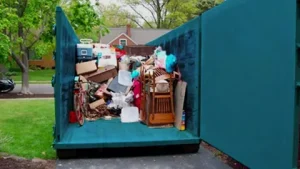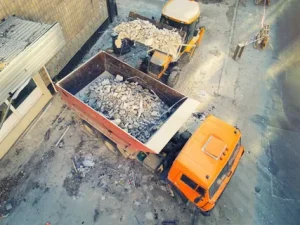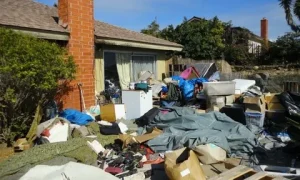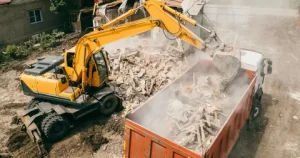
Construction and landscaping projects generate heavy debris that requires careful handling. Homeowners and contractors seeking reliable dumpster rental for concrete and dirt disposal in Atlanta, GA, need a practical way to manage broken concrete, excavated soil, and demolition waste. Unlike ordinary household junk, these materials can reach substantial weight limits even when the container appears only partially filled.
Removing an old driveway, replacing a concrete patio, or excavating a residential yard can leave piles of material that interfere with ongoing work. Without a suitable disposal plan, debris may block access routes, create handling hazards, and slow construction activities. Therefore, understanding container capacity, material restrictions, and hauling requirements is essential before scheduling a dumpster.
Great Scott Hauling provides dumpster rentals and debris hauling solutions for homeowners, contractors, and businesses throughout the Atlanta area. Its rental guidelines limit concrete, dirt, and asphalt to three cubic yards unless the company approves a different arrangement.
Choosing an appropriate disposal option helps maintain an organized worksite while reducing the risk of unexpected weight-related charges.
Why Concrete and Dirt Require Specialized Dumpster Planning
Concrete and soil behave differently from lightweight renovation debris. Their high density means a small volume can weigh thousands of pounds, depending on moisture content and material composition. Consequently, renting the largest available container does not automatically make it suitable for heavy materials.
Professional concrete debris disposal services require careful consideration of both container volume and hauling weight.
Common Projects That Generate Heavy Debris
Several residential and commercial projects produce concrete or excavated soil:
- Driveway Removal: Broken slabs, concrete fragments, and base materials.
- Patio Demolition: Removed concrete surfaces and associated construction debris.
- Foundation Work: Excavated soil and suitable concrete waste.
- Landscaping Projects: Excess dirt from grading and yard improvements.
- Sidewalk Replacement: Damaged concrete sections requiring organized removal.
Before booking, customers should identify the materials, estimate their volume, and confirm acceptance requirements. Separating heavy debris from general rubbish may also simplify loading and disposal.
Choosing the Right Dumpster Size for Heavy Materials
Dumpster selection should account for the actual weight of the debris rather than container dimensions alone. A trailer designed for bulky furniture may reach its weight allowance much sooner when loaded with concrete.
For affordable concrete and dirt dumpster rental, accurate debris estimates can help prevent avoidable expenses.
Understanding Available Container Options
Great Scott Hauling lists several rental and hauling options:
- 10-Yard Dump Trailer: A live-load option with 2,000 pounds included.
- 12-Yard Dump Trailer: Includes a 2,000-pound weight allowance.
- 22-Yard Dump Trailer: Includes 4,000 pounds of debris weight.
- Additional Weight: The published overage rate is $0.05 per pound.
- Heavy Material Limit: Concrete, dirt, and asphalt are limited to three cubic yards unless otherwise approved.
These weight allowances do not mean customers can automatically load the full three cubic yards of heavy debris. Concrete or wet soil may exceed the included weight substantially.
Homeowners can review available dumpster rental services before discussing material quantities and suitable hauling arrangements.
Concrete Removal and Construction Site Cleanup
Concrete demolition often produces irregular pieces that require organized collection. Broken slabs can contain reinforcement, sharp edges, and substantial weight, making safe loading an important part of cleanup.
A suitable concrete waste dumpster rental arrangement helps contractors manage debris while keeping working areas accessible.
Best Practices for Concrete Debris Loading
Five practical measures can improve worksite safety:
- Estimate Debris Weight: Calculate approximate concrete volume before scheduling.
- Confirm Material Acceptance: Describe broken slabs, reinforcement, and other debris accurately.
- Avoid Overloading: Keep materials within approved volume, weight, and fill limits.
- Maintain Access: Position the container where workers can load debris without blocking essential routes.
- Use Protective Equipment: Wear suitable gloves, boots, and eye protection when handling concrete.
For contractors planning construction debris dumpster rentals in Mableton, GA, early scheduling can help coordinate removal with demolition activities.
Additionally, customers should confirm whether concrete needs to remain separate from wood, drywall, or other renovation waste. Acceptance depends on the rental provider’s requirements.
Dirt Disposal for Excavation and Landscaping Projects
Excavation work can produce more soil than homeowners initially expect. Garden renovations, drainage improvements, foundation preparation, and grading projects may leave substantial piles of excavated dirt.
However, soil weight varies with moisture content and composition. Wet clay can be especially heavy, making dirt removal dumpster services dependent on accurate loading estimates.
Important Considerations for Excavated Soil
Before arranging disposal, property owners should review these factors:
- Soil Volume: Estimate the quantity of excavated material in cubic yards.
- Moisture Content: Account for additional weight from wet or saturated soil.
- Contamination: Identify soil that may contain chemicals or hazardous substances.
- Material Separation: Keep prohibited waste out of the container.
- Pickup Access: Ensure the hauling vehicle can reach the loaded container.
Property owners considering excavation dirt disposal in Austell, GA should confirm acceptable quantities before loading begins.
Furthermore, clean excess soil may sometimes be suitable for reuse elsewhere on a property. However, reuse depends on grading needs, soil suitability, and applicable site requirements.
Understanding Concrete and Dirt Dumpster Rental Costs
Heavy debris disposal expenses depend on more than the initial rental price. Container selection, debris weight, rental duration, delivery distance, and disposal requirements can all affect the total.
Customers comparing cost-effective dumpster rentals for concrete disposal should review the included allowances and additional charges before booking.
Factors That Affect Heavy Debris Rental Pricing
Five considerations commonly influence the final cost:
- Container Selection: Different hauling options have different starting prices.
- Debris Weight: Concrete and soil can quickly exceed included weight allowances.
- Rental Duration: Additional rental days may involve daily charges.
- Delivery Location: Properties outside the standard service radius may incur mileage fees.
- Material Restrictions: Special approval or alternative handling may be required for larger loads.
Great Scott Hauling lists starting prices of $300 for its 10-yard live-load and 12-yard options, and $400 for its 22-yard option. These are general published prices, not confirmed quotes for heavy-material loads.
Therefore, customers should request a project-specific quote before scheduling concrete or dirt disposal.
Preparing Your Property for Dumpster Delivery
Good preparation helps avoid delivery difficulties and supports safer debris loading. Driveways, construction entrances, and access roads must accommodate the hauling equipment and loaded container.
Professional heavy debris dumpster rental services should begin with clear information about the delivery location, materials, and expected debris quantity.
Steps to Prepare for Dumpster Placement
Before the scheduled delivery:
- Select a Suitable Surface: Choose a stable location with adequate load-bearing capacity.
- Clear Obstructions: Move vehicles and remove obstacles from the delivery route.
- Check Overhead Clearance: Identify tree branches, wires, and other restrictions.
- Confirm Placement Rules: Determine whether public-property placement requires permission.
- Coordinate Pickup: Arrange removal after loading is complete and within approved limits.
Great Scott Hauling serves the Atlanta area, with a standard service radius of 20 miles from ZIP code 30318 and extended availability subject to additional charges.
Customers should also explain their planned loading method, especially when using wheelbarrows or machinery.
Conclusion
Concrete demolition and excavation projects require a disposal plan that accounts for heavy material weight, container restrictions, and safe loading conditions. A dumpster that works well for household clutter may not be appropriate for several cubic yards of broken concrete or saturated soil.
For homeowners and contractors in Atlanta, GA, professional dumpster rental for concrete and dirt disposal can provide a convenient way to organize approved debris removal. However, the correct arrangement depends on the quantity, weight, and type of material involved.
The most important step is confirming acceptance limits before loading. Great Scott Hauling’s published three-cubic-yard limit for concrete, dirt, and asphalt applies unless another arrangement receives approval. Customers should also consider included weight allowances and applicable overage charges.
Projects in Mableton and Austell can benefit from coordinating dumpster delivery with demolition, excavation, or landscaping schedules.
Great Scott Hauling offers dumpster rental and hauling options for residential and commercial cleanup projects throughout its Atlanta service area.
Clear material estimates, suitable container placement, and responsible loading practices help keep heavy debris removal organized and reduce preventable project interruptions.
FAQ’s
Can I put concrete and dirt in a rental dumpster?
Yes, Great Scott Hauling permits concrete, dirt, and asphalt within a three-cubic-yard volume limit unless otherwise approved. Customers should confirm weight restrictions and material acceptance before booking.
What dumpster size is best for concrete disposal?
The appropriate size depends on debris weight and volume. Heavy concrete may require a limited load or special hauling arrangement regardless of container capacity.
How much does a concrete and dirt dumpster rental cost in Atlanta, GA?
Pricing depends on the rental option, material weight, rental duration, and delivery location. Additional weight charges may apply, so request a quote for the specific debris.
Can I mix concrete, dirt, and other construction waste?
Do not assume mixed loads are permitted. Confirm the accepted materials and any separation requirements with the rental provider before filling the container.
How should I estimate dirt or concrete disposal volume?
Measure the debris area’s length, width, and depth in feet, then divide the cubic-foot total by 27 to estimate cubic yards. Allow for irregular shapes, loose debris, and material weight.