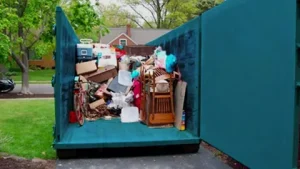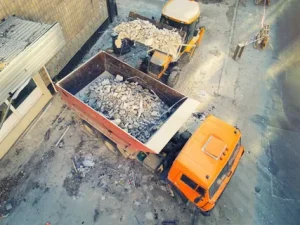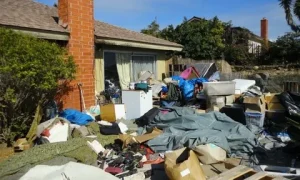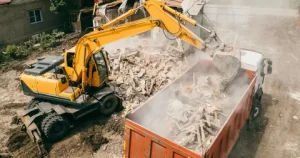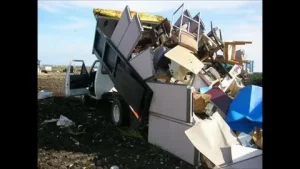
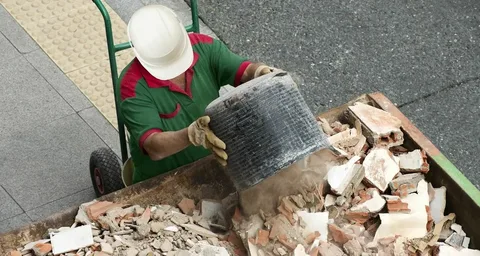
Construction projects often create large amounts of unwanted materials. From home renovations to commercial building work, debris can quickly take over valuable space. Wood scraps, drywall, concrete, roofing materials, and packaging waste require proper handling. Without an organized cleanup plan, these materials can slow down work and create unnecessary hazards.
Atlanta, GA, continues to see residential improvements and commercial development. Consequently, property owners and contractors need dependable waste management solutions. Proper cleanup also helps maintain organized work areas and supports smoother project schedules.
Choosing reliable Construction Debris Removal services can make a major difference during renovation and construction projects. Professional hauling helps remove unwanted materials while keeping properties cleaner and easier to manage.
Great Scott Hauling understands the importance of responsible debris handling. The company helps customers manage unwanted construction materials through practical hauling solutions. Moreover, organized waste removal allows contractors and property owners to focus on their projects instead of dealing with growing debris piles.
From small renovation jobs to larger construction projects, proper cleanup plays an important role in maintaining an efficient work environment.
Why Proper Construction Debris Removal Matters
Construction debris can create several problems when workers leave materials scattered around a property. Piles of wood, broken drywall, concrete pieces, and discarded materials can block walkways. They can also make it harder for workers to access tools and equipment.
Therefore, regular cleanup should remain part of every construction plan. It helps maintain a more organized site and reduces unnecessary interruptions.
Maintaining a Safer and More Organized Worksite
A clean construction area supports better movement and workflow. Workers can access their workspaces without navigating around unwanted materials. Additionally, organized cleanup makes it easier to identify materials that require special handling.
Here are several reasons to prioritize professional hauling:
- Improved site organization: Removing debris creates more usable workspace.
- Better accessibility: Clear pathways help workers move materials and equipment.
- Reduced clutter: Regular cleanup prevents waste from accumulating.
- Efficient project management: Contractors can focus on scheduled construction tasks.
- Responsible disposal: Proper sorting helps identify recyclable and reusable materials.
Moreover, consistent cleanup supports better communication between contractors, property owners, and hauling teams.
Construction projects often produce different waste materials at different stages. For example, demolition work may generate concrete and drywall, while finishing work creates packaging and wood scraps. A planned hauling schedule helps manage these changes.
How Reliable Hauling Supports Construction Projects
Every construction project has different waste management requirements. A small bathroom renovation produces different materials than a commercial building project. Therefore, property owners should consider the amount and type of debris before arranging hauling services.
Professional affordable Construction Debris Removal service helps manage unwanted materials without allowing them to interfere with ongoing work.
Planning the Right Debris Removal Schedule
A suitable hauling schedule depends on project size, available space, and the amount of waste generated. Some projects need cleanup after demolition, while others require several hauling visits.
Consider these practical points when planning construction cleanup:
- Estimate waste volume: Identify how much material the project may generate.
- Separate materials: Keep wood, metal, concrete, and general waste organized.
- Choose suitable timing: Schedule hauling around important construction stages.
- Maintain clear access: Keep driveways and loading areas available.
- Review disposal needs: Check whether certain materials require special handling.
Furthermore, contractors should communicate their cleanup requirements before work begins.
In some cases, removing debris after every major construction phase works better than waiting until project completion. Consequently, workers can maintain a more manageable site throughout the process.
Common Materials Handled During Construction Cleanup
Construction and renovation projects generate many types of waste. Some materials come from demolition, while others result from installation, repairs, and finishing work.
Understanding these materials helps property owners prepare for proper disposal.
Identifying Different Types of Construction Waste
A professional hauling plan should account for the materials produced during each stage of construction.
Common examples include:
- Wood scraps: Leftover framing lumber, broken boards, and damaged plywood.
- Drywall: Discarded wall panels and broken drywall pieces.
- Concrete: Concrete fragments from driveways, foundations, and structural repairs.
- Roofing materials: Old shingles, underlayment, and damaged roofing components.
- Metal scraps: Unused metal pieces, pipes, and construction fittings.
- Packaging waste: Cardboard, plastic wrapping, and discarded product containers.
Additionally, some materials may require separate disposal arrangements. Paints, solvents, asbestos-containing materials, and certain chemicals should not go into ordinary construction waste loads.
Property owners should identify these materials before scheduling collection.
Proper sorting also helps reduce unnecessary disposal and supports recycling opportunities where suitable facilities accept the materials.
Choosing the Right Construction Cleanup Service
Selecting a hauling provider involves more than finding someone who can collect unwanted materials. Property owners should consider communication, scheduling, material requirements, and disposal practices.
A dependable service should understand the project’s cleanup needs before arranging collection.
Practical Factors to Consider Before Booking
Before choosing a hauling provider, review these important points:
- Service requirements: Explain the type and approximate amount of debris.
- Collection scheduling: Confirm a suitable pickup date and time.
- Access arrangements: Discuss driveway access, loading areas, and site restrictions.
- Material acceptance: Ask which materials the provider can collect.
- Disposal procedures: Confirm how collected waste will be handled.
Furthermore, clear communication helps prevent confusion during collection.
Property owners should also ask about additional charges, minimum service requirements, and any restrictions. These details help establish realistic expectations before the work begins.
For contractors managing multiple projects, consistent hauling arrangements can make cleanup easier to coordinate. Meanwhile, homeowners can benefit from planning collection before debris starts occupying garages, yards, or driveways.
Managing Construction Waste in Atlanta and Smyrna
Construction cleanup needs can vary across different properties and project locations. Residential renovations, commercial improvements, and outdoor construction work may all produce different waste volumes.
Atlanta and Smyrna property owners should consider local disposal requirements when arranging hauling services.
Keeping Residential and Commercial Properties Clean
Construction waste can quickly affect the appearance and usability of a property. Therefore, timely collection helps maintain cleaner surroundings during ongoing work.
Five practical cleanup recommendations include:
- Create a collection area: Keep unwanted materials in a designated location.
- Separate recyclable items: Identify metal, cardboard, and suitable wood materials.
- Protect access routes: Avoid blocking entrances, sidewalks, and driveways.
- Schedule regular pickups: Match collection times with project progress.
- Follow local requirements: Check applicable disposal and waste handling rules.
Additionally, contractors should communicate with hauling providers about changing project needs.
Great Scott Hauling provides hauling solutions for customers managing construction-related waste. Clear scheduling and accurate information about debris types help make collection arrangements easier.
Atlanta projects may involve larger renovation or commercial cleanup requirements. In contrast, smaller residential projects in Smyrna may generate more limited amounts of waste. Each situation requires a suitable approach.
Reliable Local Cleanup Planning
Property owners looking for expert construction debris removal near me can benefit from comparing service availability, accepted materials, and collection arrangements.
Similarly, professional construction waste removal in Smyrna, GA helps keep renovation projects organized when unwanted materials begin accumulating.
For ongoing work, reliable construction site cleanup supports cleaner access areas and better project coordination.
Local planning also helps property owners understand collection arrangements before construction waste becomes difficult to manage.
Conclusion
Construction projects require careful planning, and waste management deserves the same attention as other important project tasks. From home renovations to commercial improvements, unwanted materials can quickly occupy valuable space. Therefore, timely hauling helps maintain cleaner properties and more organized work environments.
Property owners in Atlanta and Smyrna can benefit from planning debris collection around their construction schedules. Separating materials, identifying special disposal requirements, and arranging suitable pickup times can make the cleanup process easier.
For those seeking reliable construction waste removal in Atlanta, GA, choosing a suitable hauling service can help manage unwanted materials without disrupting other project activities.
Additionally, homeowners searching for affordable construction site cleanup in Smyrna, GA should consider their project size, waste volume, and collection requirements before booking.
Great Scott Hauling offers a practical option for managing construction-related debris. By communicating project details and arranging appropriate collections, customers can keep their properties more organized throughout renovation and construction work.
Ultimately, responsible waste handling supports better site management. A well-planned cleanup process also helps contractors and property owners maintain focus on completing their projects.
FAQs
What materials can construction debris hauling services collect?
Common materials include wood scraps, drywall, concrete, roofing materials, metal, and general construction waste. Certain hazardous materials may require specialized disposal.
When should I schedule construction debris hauling?
You can schedule collection after demolition, during major construction stages, or when accumulated waste begins affecting available workspace.
Why should I arrange professional construction cleanup?
Professional hauling helps remove unwanted materials, maintain organized work areas, and reduce the time spent managing accumulated debris.
Do construction debris hauling services cover Atlanta and Smyrna?
Service availability depends on the provider. Contact the hauling company to confirm coverage and collection arrangements for your property.
How can I prepare my property for debris collection?
Separate materials when possible, identify restricted waste, keep collection areas accessible, and communicate the debris volume before scheduling pickup.