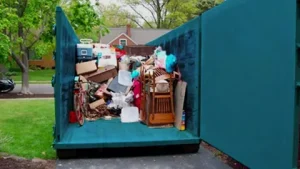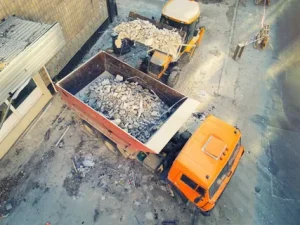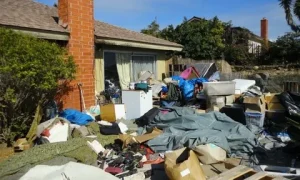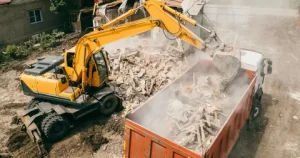
Clearing unwanted items from your home, garage, or property can quickly become a challenging task. Old furniture, broken appliances, renovation debris, and general household clutter often take up valuable space. Moreover, handling these items requires time, effort, and a suitable way to transport them. For homeowners and property managers in Mableton, GA, a well-organized cleanup can make everyday spaces safer and easier to use.
Reliable junk removal services help simplify this process by collecting unwanted materials and transporting them for appropriate disposal, recycling, or donation when suitable. Instead of managing every step alone, property owners can plan their cleanup around their schedules and specific needs. Furthermore, removing accumulated clutter can make it easier to organize storage areas, prepare a property for sale, or complete a renovation project.
Great Scott Hauling helps property owners approach cleanup projects with greater organization and less hassle. From household items to renovation debris, understanding the available options can help you make informed decisions about your property.
Why Professional Junk Removal Makes Cleanup Easier
Managing unwanted items involves more than carrying things outside. You must sort materials, arrange transportation, and determine where different items should go. Consequently, a cleanup project can take longer than expected without a clear plan. Professional assistance can simplify these tasks while helping you focus on other responsibilities.
Reduce the Time and Effort Required for Cleanup
Large furniture, damaged appliances, and accumulated household belongings can be difficult to move without proper equipment. Additionally, some items require careful handling to avoid damaging walls, floors, or nearby property.
Experienced removal professionals can assess the items, plan the loading process, and organize transportation. Therefore, you can approach a major cleanup without managing every detail yourself.
A practical cleanup plan usually begins with identifying the items you no longer need. Separate reusable belongings from damaged materials and anything that requires special disposal. This simple step helps establish the project’s size and makes it easier to discuss your needs with a service provider.
Create More Usable Space
Clutter often builds up gradually in garages, basements, spare rooms, and outdoor areas. Eventually, these spaces become difficult to access or use for their intended purposes.
Removing unnecessary belongings can restore valuable floor space and improve organization. For example, clearing a garage may create room for a vehicle, while removing unused furniture can make a spare bedroom available for guests.
Moreover, a cleaner property can make routine maintenance easier. You can inspect walls, floors, and storage areas without moving piles of unwanted belongings. However, always identify hazardous materials before starting a cleanup, since ordinary hauling services may not accept them.
Choosing Reliable Junk Removal for Your Property
Different properties produce different types of waste. A homeowner clearing a spare bedroom has different requirements from a contractor cleaning up after a renovation. Therefore, choosing the right service starts with understanding what needs to be removed.
What to Consider Before Booking a Service
Reliable junk removal begins with a clear understanding of your project’s requirements. Before contacting a provider, prepare a list of unwanted items and explain their approximate size and quantity.
Consider these five practical points:
- Item types: Identify furniture, appliances, boxes, renovation debris, and other materials.
- Project size: Estimate how much space the items occupy and whether bulky objects require special handling.
- Access conditions: Explain stairs, narrow hallways, parking limitations, or other access challenges.
- Service coverage: Confirm that the provider serves your property in Mableton or the surrounding area.
- Pricing details: Ask whether the estimate includes labor, transportation, disposal fees, and any additional charges.
Furthermore, request clarification about items the company cannot accept. Paints, chemicals, batteries, and other potentially hazardous materials may require specialized handling.
A clear estimate helps you compare providers based on the actual work involved. However, avoid choosing a service based on price alone. Communication, disposal practices, scheduling, and service limitations also matter.
Additionally, confirm whether you need to move items outdoors before collection. Some providers handle items inside the property, while others follow different collection arrangements. Understanding these details beforehand prevents confusion on cleanup day.
Residential and Construction Cleanup Options
Cleanup projects often fall into two broad categories: household clear-outs and construction-related debris removal. Each requires a different approach because the materials, handling needs, and disposal options can vary significantly.
Handling Household Belongings and Renovation Debris
For homeowners, residential junk removal service can help clear unwanted sofas, mattresses, tables, shelving, and other household belongings. It can also support garage cleanouts, moving preparations, and general decluttering.
However, not every household item belongs in the same disposal stream. Furniture in usable condition may be suitable for donation, while broken items may require recycling or disposal according to local requirements.
Construction projects create another set of challenges. Wood scraps, packaging, damaged fixtures, and other renovation materials can accumulate quickly. Professional construction junk removal can help contractors and property owners manage eligible debris and keep work areas organized.
Consider these five practical tips:
- Sort materials: Separate reusable items from waste whenever possible.
- Keep pathways clear: Maintain safe access around entrances and work areas.
- Identify restricted waste: Check disposal requirements for chemicals, asbestos-containing materials, and other hazardous substances.
- Protect reusable belongings: Keep donations and items you intend to retain away from debris.
- Plan collection timing: Arrange pickup around renovation milestones or your overall cleanup schedule.
Ultimately, careful sorting makes cleanup more manageable and helps ensure that different materials receive appropriate treatment.
Preparing Your Property for an Efficient Pickup
Preparation can make a substantial difference to the time and effort required for a cleanup. Before collection day, identify everything that needs to go and communicate any special handling requirements.
Make the Collection Process More Organized
Start by walking through the areas you want to clear. Check closets, garages, storage rooms, patios, and other places where unwanted items tend to accumulate. Additionally, make a separate list of belongings that should remain on the property.
These five steps can help you prepare:
- Create a removal list: Record the items you want collected and identify unusually large objects.
- Separate personal belongings: Remove documents, valuables, photographs, and other items you intend to keep.
- Check access routes: Identify narrow doors, stairs, and other potential obstacles.
- Discuss special requirements: Tell the provider about heavy items, limited parking, or restricted access.
- Confirm the appointment: Verify the collection window, estimate, and any preparation instructions.
Meanwhile, avoid stacking heavy objects in unstable piles or attempting to move items beyond your physical capabilities. Large appliances and bulky furniture may require suitable equipment and trained handlers.
If you are searching online for junk removal near Marietta, GA , compare local providers carefully rather than relying on proximity alone. Check service coverage, customer feedback, accepted materials, and pricing transparency.
Finally, ask how the company handles collected items. Clear information about recycling, donation, and disposal practices can help you choose a provider whose process fits your needs.
Responsible Disposal and Better Waste Management
Removing unwanted items solves only part of a cleanup problem. The next step involves determining what should happen to the collected materials. Responsible disposal can reduce unnecessary landfill waste and help recover useful resources.
Separate Reusable Items from General Waste
Before arranging the collection, consider whether any belongings remain useful. Furniture, household goods, and other items in suitable condition may be accepted by local charities or reuse organizations.
However, donation policies vary. Contact the receiving organization first to confirm its accepted items and condition requirements.
These five practices can support a more responsible cleanup:
- Donate usable belongings: Offer suitable items to organizations that accept them.
- Check recycling options: Look for appropriate recycling programs for eligible materials.
- Follow local rules: Review relevant disposal requirements for your waste type.
- Keep hazardous items separate: Never mix chemicals or other restricted materials with ordinary household debris.
- Ask about disposal methods: Confirm whether the provider sorts materials for recycling or directs them to appropriate facilities.
Moreover, some materials need specialized treatment. Electronics, batteries, paint, and chemicals may have specific collection requirements. Therefore, check local guidance before placing these items in ordinary waste containers.
Good disposal practices also benefit contractors and property managers. Keeping construction materials separated can make site organization easier and may improve opportunities for material recovery.
Although not every item can be reused or recycled, thoughtful sorting helps prevent avoidable waste. A reliable provider should explain its handling procedures clearly and identify any materials that fall outside its services.
Conclusion
A successful cleanup starts with a clear plan, realistic expectations, and an understanding of how different materials should be handled. Whether you are clearing a garage, preparing for a move, or removing debris after a renovation, organizing the process can save time and restore valuable space.
For homeowners, sorting belongings before collection helps distinguish reusable items from unwanted waste. Contractors can benefit from planning debris removal around project milestones and keeping work areas accessible. Furthermore, confirming accepted materials, pricing, and scheduling details before booking can prevent misunderstandings.
Property owners comparing affordable residential junk removal in Mableton, GA should consider more than the initial estimate. Service coverage, handling procedures, communication, and responsible disposal practices also deserve attention. Similarly, those managing renovation projects should clarify how the provider handles construction debris and restricted materials.
Great Scott Hauling can be a starting point when exploring cleanup options for properties in Mableton and nearby communities. Before arranging a collection, prepare a list of items, explain any access challenges, and request a clear description of the service.
Additionally, consider donation and recycling options before discarding usable belongings. Some materials may have another useful purpose, while others require specialized disposal. Taking these steps supports a more organized and responsible cleanup.
Ultimately, the right approach depends on the size of your project, the materials involved, and your property’s specific needs. With proper preparation and a suitable removal plan, you can make your space more functional without unnecessary complications.
FAQs
What items can a junk removal service collect?
Services may collect furniture, mattresses, household clutter, appliances, and eligible renovation debris. Accepted materials vary by provider, so confirm the details before booking.
When should I arrange construction junk removal?
Consider arranging collection when renovation debris begins occupying valuable workspace or before it interferes with project access. Coordinate pickup with your construction schedule.
How can I prepare for residential junk removal?
Make a list of unwanted items, separate belongings you want to keep, and identify access restrictions. Confirm the appointment and collection requirements with your provider.
How much does junk removal typically cost?
Pricing depends on the volume and type of materials, labor requirements, accessibility, and disposal fees. Request an estimate that explains any additional charges.
Do junk removal companies recycle or donate collected items?
Some providers sort eligible items for donation or recycling, while others follow different disposal procedures. Ask about their policies and confirm which materials they can accept.