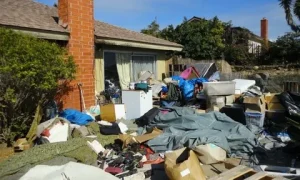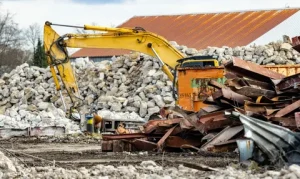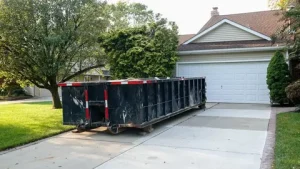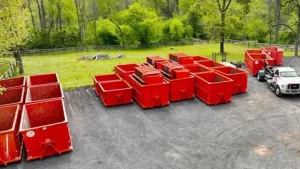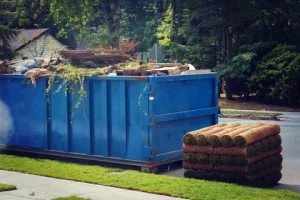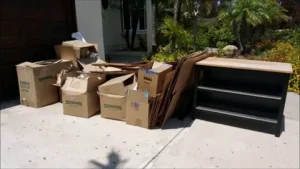
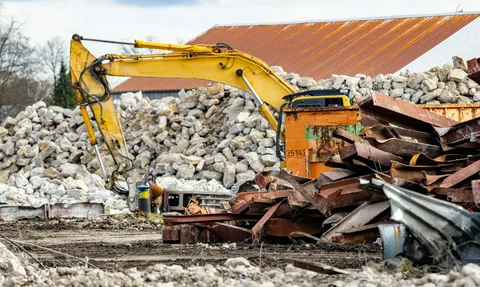
Construction and remodeling projects often leave behind piles of unwanted materials. Wood scraps, drywall, broken tiles, packaging, and other waste can quickly fill a driveway or work area. Without a clear cleanup plan, debris may slow progress, create hazards, and make the property harder to use.
For homeowners, contractors, and property managers in Atlanta, GA, organized waste removal is an important part of project planning. Proper disposal helps keep work areas accessible and makes it easier to prepare for the next stage of construction. However, different materials may require different handling and disposal methods.
When searching for reliable construction debris removal near me, consider the amount of waste, the type of materials, access to the site, and the timing of your cleanup. These details help you choose a service that fits your project instead of paying for unnecessary trips or equipment.
Great Scott Hauling is a company to consider when comparing hauling options for construction cleanup. Before scheduling a pickup, identify the debris you need removed and ask about accepted materials, pricing, and disposal procedures. With a little preparation, you can keep your project organized and reduce the stress that often comes with renovation waste.
Why Construction Debris Removal Matters
Construction debris can accumulate faster than many property owners expect. Even a small bathroom renovation may generate old fixtures, tile fragments, drywall, and packaging. Larger projects can produce bulky materials that take up valuable space and interfere with daily work.
Therefore, a cleanup plan should be part of the project from the beginning. Removing waste regularly keeps pathways clear and gives workers more room to move materials safely. It also helps homeowners avoid leaving sharp or heavy debris where children, visitors, or pets might encounter it.
Benefits of an Organized Cleanup Plan
Professional construction debris removal can help property owners manage waste without disrupting other project tasks. A hauling service may collect approved materials and transport them to suitable disposal or recycling facilities, depending on the material and local options.
Consider these practical benefits:
- Clearer work areas: Keep access routes and work zones free from unnecessary clutter.
- Improved organization: Separate usable materials from waste before collection.
- Better project flow: Reduce delays caused by piles of debris.
- Less manual handling: Avoid repeated trips to move heavy materials yourself.
- Cleaner surroundings: Reduce loose waste around driveways, yards, and entrances.
Moreover, organized cleanup makes it easier to inspect the completed work. You can identify remaining repairs, check flooring or walls, and prepare the space for final finishes. However, always keep hazardous materials separate and confirm the correct disposal method before arranging removal.
What Materials Can Construction Debris Removal Include?
The waste produced by a construction project depends on its size and type. A kitchen remodel may generate cabinets, countertops, wood, and packaging. Meanwhile, a larger renovation could involve drywall, flooring, doors, and other bulky materials.
Before arranging expert construction debris removal near Atlanta, GA , make a list of the materials you want collected. This helps the hauling provider determine whether the load fits its service and whether special handling applies.
Common Materials From Remodeling and Building Projects
Many general hauling services accept certain nonhazardous construction materials. However, accepted items and load limits vary by provider. Always confirm what the service can take before loading the debris.
Common materials may include:
- Wood scraps: Offcuts, broken boards, and untreated lumber.
- Drywall and plaster: Pieces left from wall repairs or remodeling.
- Flooring waste: Carpet, laminate, tile, and other removed floor materials.
- Cabinetry and fixtures: Old cabinets, doors, and approved bathroom fixtures.
- Packaging: Cardboard, plastic wrapping, and other construction supplies.
Additionally, some materials may be recyclable when local facilities accept them. Metal, clean wood, and cardboard may have different disposal options from mixed debris.
Preparing Your Property for Construction Debris Removal
Good preparation helps the pickup run smoothly. Before the hauling team arrives, identify the waste, check the access route, and determine where the debris is stored. These steps can reduce delays and help you understand the service’s requirements.
Five Steps to Prepare for Pickup
Start by gathering loose debris in a designated area, provided doing so is safe. Keep heavy items stable and avoid stacking materials where they could fall. In addition, separate items that may require special disposal.
Use these five practical steps:
- Sort the waste: Group similar materials where practical.
- Check accepted items: Confirm restrictions and load limits with the provider.
- Clear access: Keep driveways, gates, and pathways open.
- Identify heavy objects: Tell the hauler about bulky or unusually heavy materials.
- Separate special waste: Set aside chemicals, suspected asbestos, and other regulated materials.
Furthermore, take a quick inventory of the debris before requesting a quote. Photos can help describe the volume and types of waste, although the provider may still need to assess the load.
Do not burn construction waste or leave debris on public property. Instead, follow local disposal rules and the hauling company’s instructions. Careful preparation helps protect people and property while keeping the cleanup process organized.
Choosing a Construction Debris Removal Service in Atlanta
Not every hauling service handles the same materials or project sizes. Some focus on general junk removal, while others offer services suited to renovation waste and construction sites. Therefore, compare providers based on the actual needs of your project.
What to Ask Before Booking
When comparing construction debris removal providers, look for clear pricing, communication, and a defined service scope. A reliable company should explain what the quote covers and identify any additional charges that may apply.
Review these five points before making a decision:
- Accepted materials: Confirm that your debris falls within the service’s guidelines.
- Pricing structure: Ask whether the quote depends on volume, weight, labor, or disposal fees.
- Pickup timing: Check availability and the expected collection window.
- Loading responsibilities: Confirm whether the team loads the debris or expects it to be prepared.
- Disposal practices: Ask how the company handles recycling and appropriate disposal.
Moreover, check recent customer feedback and verify the company’s service area. Reviews can provide useful context, but they should not replace direct questions about your project.
Great Scott Hauling is one option to evaluate when comparing local hauling providers. Request a clear estimate and confirm the materials, pickup details, and disposal arrangements before scheduling. This helps set expectations and reduces the risk of unexpected costs.
Managing Construction Waste Throughout Your Project
Construction cleanup works best when it happens regularly rather than only at the end. If debris piles up, it can block access, occupy storage areas, and make it harder to track materials. A simple waste management plan helps keep the job site more orderly.
Five Ways to Keep Debris Under Control
Plan cleanup around the project’s main stages. For example, demolition may generate large amounts of waste early, while finishing work produces smaller scraps and packaging. Scheduling pickups at suitable intervals can prevent waste from accumulating.
- Create a waste area: Choose a stable location away from busy work paths.
- Separate reusable materials: Keep suitable leftover supplies apart from trash.
- Schedule regular pickups: Match removal timing to the amount of debris produced.
- Monitor safety: Keep sharp objects and heavy materials secured.
- Review the final cleanup: Check for leftover waste before closing out the project.
Additionally, discuss disposal needs with your contractor before demolition begins. Some projects may involve materials that require specialized services rather than standard hauling.
If you are searching for affordable construction debris removal services , compare the full service cost rather than the advertised starting price alone. Ask whether labor, loading, travel, and disposal fees are included. Consequently, you can make a better comparison and select a service that matches your project’s budget and schedule.
Conclusion
Construction projects often create waste that requires careful handling and timely removal. From drywall and wood scraps to old cabinets and flooring, debris can quickly occupy work areas and make a property difficult to navigate.
A clear cleanup plan helps you manage this waste throughout the project. Start by identifying the materials, separating items that need special handling, and checking which materials your chosen hauling service accepts. Then prepare a safe access route and discuss pickup timing before booking.
When comparing reliable construction debris removal services in Atlanta, GA, look for clear estimates, suitable material handling, dependable communication, and transparent disposal practices. Ask about load limits and additional fees so you understand the full cost. Also, remember that hazardous or regulated materials may require a specialized provider.
Regular cleanup can help contractors maintain access to work areas and allow homeowners to prepare for finishing tasks sooner. Furthermore, sorting materials may reveal opportunities for reuse or recycling when local facilities accept them.
Great Scott Hauling is an option to consider when researching construction cleanup services. Contact the company directly to confirm availability, accepted debris, and pricing for your project.
Ultimately, organized waste removal supports a cleaner, more manageable construction site. With proper planning and a suitable hauling service, you can handle renovation debris responsibly and focus on completing the work.
FAQs
What is included in construction debris removal?
Depending on the provider, services may include collecting and hauling approved materials such as wood scraps, drywall, flooring, packaging, and old fixtures.
Can construction debris be recycled?
Some materials, including certain metals, cardboard, and clean wood, may be recyclable. Availability depends on local facilities and material condition.
How much does construction debris removal cost in Atlanta, GA?
Pricing depends on debris volume, weight, material type, labor, access, and disposal fees. Request a quote based on your specific load.
Do hauling companies accept hazardous construction materials?
Not always. Asbestos-containing materials, chemicals, solvents, and other regulated waste may require specialized handling and disposal.
How should I prepare for a debris pickup?
Sort approved materials, clear access routes, identify heavy items, and confirm the provider’s loading requirements and accepted materials before pickup.