Learn how residential dumpster rental works, how to choose the right size, and how to plan placement, loading, pickup, and disposal for your home project.
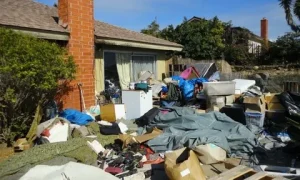
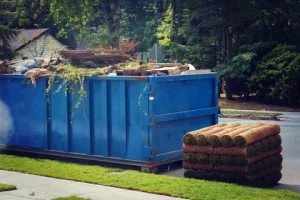
Home projects can create far more waste than expected. Remodeling, decluttering, landscaping, moving, and property cleanouts can quickly fill a garage, driveway, or backyard with unwanted materials. Great Scott Hauling helps homeowners understand how residential dumpster rental in Smyrna, GA can provide a practical way to keep project debris contained and organized.
In Atlanta, GA, homeowners searching for dumpster rental near me may be comparing container sizes, rental periods, placement options, and disposal requirements. The right choice depends on the type and volume of material involved, the available space, and how quickly the project will generate waste.
A dumpster is useful because it gives household debris a dedicated location from the beginning of a project. Instead of moving waste several times or making repeated trips to a disposal facility, homeowners can keep materials together until the work is finished.
When Residential Dumpster Rental Makes Sense
Not every household cleanup requires a residential dumpster rental in Smyrna, GA. A few bags of household waste can usually go through normal collection services, while larger projects can generate enough material to justify a dedicated container.
A dumpster may make sense for:
- Kitchen or bathroom remodeling
- Flooring replacement
- Garage cleanouts
- Basement cleanouts
- Moving and downsizing
- Yard and landscaping projects
- Storm cleanup
- Estate cleanouts
- Roofing or exterior renovation
- Large-scale household decluttering
The type of project matters because some materials require special handling. Before loading a container, homeowners should understand what the rental provider accepts and whether certain materials require separate disposal.
Choosing the Right Dumpster Size
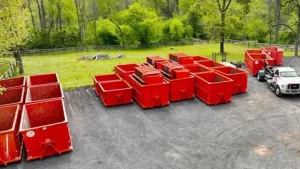
Container size affects both convenience and cost. A container that is too small can force homeowners to arrange another pickup or rental. A much larger container may take up unnecessary space.
The best size depends on the material being removed as well as the volume.
For example, a small bathroom renovation may generate a very different amount of debris than a whole-house flooring replacement. Lightweight household items can also occupy more space than dense construction debris.
Homeowners should estimate the amount of waste realistically and consider whether additional debris may appear once walls, flooring, cabinets, or other materials come out.
Placement Matters More Than It Seems
The dumpster needs a suitable location that provides convenient access without interfering with normal property use.
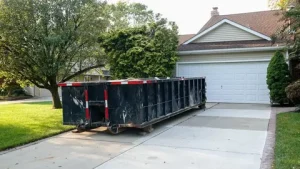
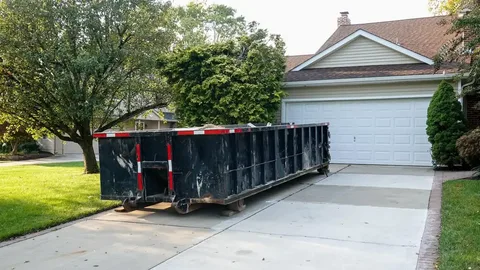
A driveway is often a practical option, but homeowners should consider vehicle access, garage doors, walkways, landscaping, overhead obstructions, and nearby structures.
The placement area should also provide enough room for the container and the hauling equipment used to deliver and retrieve it.
Before delivery, check for:
- Low-hanging branches
- Utility lines
- Narrow driveways
- Gates
- Sloped surfaces
- Soft or unstable ground
- Vehicles that need driveway access
Planning the placement ahead of time can prevent unnecessary disruption during the project.
Understanding What Can Go Into a Dumpster
Not every type of waste belongs in the same container.
Common household and renovation materials may include wood, drywall, flooring, furniture, cardboard, and general construction debris. However, restricted materials can vary by provider and disposal rules.
Items such as certain chemicals, fuels, batteries, tires, electronics, and other regulated materials may require separate disposal.
Homeowners should ask about accepted and restricted materials before loading the dumpster. This avoids contamination and prevents problems when the container reaches the disposal facility.
Residential Dumpster Rental Works Best With Organized Loading
How dumpster rental near me in Atlanta, GA debris enters the container can affect how much material fits inside.
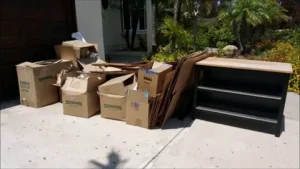
Large pieces should not create unnecessary empty spaces. Breaking down bulky cardboard, furniture, cabinets, and other suitable materials can help use the available volume more effectively.
Heavy materials should also be distributed rather than piled heavily in one section.
The container should never be loaded beyond its permitted fill line. Debris extending above the top can create safety concerns during transportation and may require removal before pickup.
Comparing Common Home Waste Options
Different disposal methods work for different project sizes.
| Disposal Option | Best For | Main Limitation |
| Household Collection | Normal weekly waste | Limited volume |
| Curbside Pickup | Small cleanouts | Size and material restrictions |
| Personal Vehicle Trips | Small amounts of debris | Requires repeated trips |
| Residential Dumpster | Larger home projects | Requires space for placement |
| Specialized Disposal | Restricted materials | Separate handling may apply |
For larger projects, a dumpster can reduce the number of individual disposal trips and keep the work area more organized.
Planning Around the Rental Period
A dumpster should arrive when the project is ready to generate waste.
If it arrives too early, it may occupy valuable space while work has not started. If it arrives too late, debris may accumulate elsewhere and require temporary storage.
Homeowners should think about the expected project schedule, including demolition, cleanup, material delivery, and final disposal.
Longer projects may also require additional planning if the container needs to remain on the property for an extended period.
Affordable Dumpster Rental Requires More Than a Low Price
When comparing affordable dumpster rental options, homeowners should look beyond the advertised base rate.
The final cost can depend on container size, rental duration, disposal weight, delivery conditions, location, and the type of material being discarded.
A lower initial price may not represent the lowest overall cost if the container is too small or the rental terms do not match the project.
Ask about the complete pricing structure before scheduling service. Clear information about rental duration, weight limits, accepted materials, and additional charges makes comparison easier.
Common Mistakes Homeowners Make
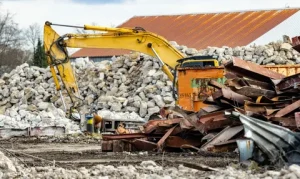
One common mistake involves underestimating the amount of debris a renovation will create. Demolition often produces more waste than homeowners expect.
Another mistake is choosing a container based only on dimensions without considering the weight of the materials.
Poor placement can create another problem. A dumpster that blocks a garage, walkway, or vehicle can make the project harder to manage.
Homeowners also sometimes mix restricted materials with ordinary construction debris. Checking disposal rules before loading helps prevent this issue.
Finally, overloading the container can create transportation and safety concerns. Keep debris below the designated fill level.
Keeping the Work Area Organized
A dumpster works best when homeowners treat it as part of the project layout rather than simply a place to throw waste.
Keep reusable materials separate from debris that will be discarded. Break down bulky items when appropriate, and avoid allowing loose debris to spread around the property.
If the project involves landscaping, construction materials, or demolition, maintaining a clear path between the work area and container can also improve movement around the property.
An organized disposal area makes the rest of the project easier to manage.
What to Consider Before Scheduling
Before arranging a dumpster, homeowners should have a clear idea of the project’s scope and waste type.
Consider the amount of debris, available placement area, expected project duration, material restrictions, and pickup timing.
It also helps to measure the driveway or proposed placement area before delivery. This provides a better understanding of whether the container can be positioned without creating access problems.
These details can make the rental more predictable and reduce interruptions once the project begins.
Conclusion
Affordable dumpster rental can provide a practical disposal option for homeowners handling remodeling, cleanouts, landscaping, moving, and other projects that generate significant amounts of waste. Choosing the right size, planning placement, understanding material restrictions, and managing the rental period can all affect how smoothly the project runs.
For homeowners in Smyrna and Atlanta, Great Scott Hauling can help address the practical considerations involved in residential debris removal. A well-planned dumpster rental keeps waste contained, reduces unnecessary disposal trips, and helps maintain a more organized work area from the beginning of the project through final cleanup.
FAQ
What size dumpster do I need for a home project?
The appropriate size depends on the type and volume of debris. A small bathroom project may need much less capacity than a whole-house cleanout or major remodeling project.
Can I put household furniture in a residential dumpster?
Many household furniture items can be accepted, but restrictions vary. Homeowners should confirm accepted materials before placing furniture or other large items inside the container.
Can a dumpster sit in my driveway?
A driveway can often provide a practical placement area, but the space should accommodate the container and delivery equipment. Check for gates, branches, utility lines, slopes, and vehicle access before delivery.
How should I load a residential dumpster?
Distribute debris throughout the container and break down bulky items when appropriate. Keep all material below the permitted fill level and separate restricted materials.
How long should I keep the dumpster?
The ideal rental period depends on the project schedule. A short cleanout may need only a brief rental, while a remodeling project may require more time. Plan delivery and pickup around the actual work schedule.