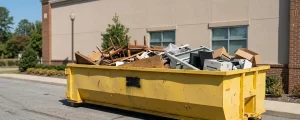

Keep Marietta job sites clear with Construction Debris Removal Installation, safe hauling, and clean finishes. Get a practical quote for your next project. A remodeling project can look nearly finished while the driveway, garage, or side yard is still buried under drywall, broken tile, lumber, cardboard, and chunks of concrete. For homeowners and contractors in Marietta, Construction Debris Removal Installation is really about getting that material off the property safely so the finished space can be used again.
Great Scott Hauling shares this perspective from the practical side of hauling: debris is easiest to manage before it spreads across the property, gets wet, or becomes mixed with materials that require different disposal methods.
What Construction Debris Removal Actually Covers
Best Construction Debris Removal is the physical process of collecting, loading, hauling, sorting where appropriate, and disposing of material left behind by remodeling, demolition, repairs, or new construction.
Typical loads include drywall, lumber, cabinets, flooring, carpet, roofing material, tile, brick, metal, packaging, and small amounts of concrete. The exact material mix matters because heavy mineral debris behaves very differently from a load dominated by wood or drywall.
In Marietta, we’ve noticed that most homeowners underestimate how quickly a renovation pile grows. A bathroom remodel may leave only a modest-looking stack, but flooring, tile backing, old cabinets, trim, packaging, and broken fixtures can turn that pile into several truckloads faster than expected.
That is also why a pickup service is not identical to ordinary household trash collection. The City of Marietta says its regular sanitation service does not collect building materials, rocks, dirt, cement, or similar construction-related material through ordinary collection.
For contractors, the goal is usually more than simply getting rid of waste. A clear work area gives crews room to move materials, reduces trip hazards, and makes the property easier to inspect between phases of a project.
The Real Challenge in Marietta, GA
Marietta has a mix of established neighborhoods, newer development, renovation-heavy properties, and busy roads connecting local projects with the wider Atlanta area. Access can be just as significant as the debris itself. A narrow driveway, limited parking, steep grade, or landscaping near the work area can make loading considerably slower than a pile sitting beside an open commercial lot.
The local climate adds another headache. Hot, humid weather and frequent summer storms can quickly turn exposed drywall and cardboard into soggy material, while muddy ground can make moving heavy loads harder. Keeping debris contained and covered until pickup is more than a cosmetic choice.
A client in Marietta reached out after a kitchen renovation left broken cabinets, flooring, drywall, and tile scattered around the garage and driveway. The contractor had finished the interior work, but the debris was preventing the homeowner from parking normally and completing the final cleanup. The material was separated by type before loading, and the property was left ready for the homeowner’s final walkthrough.
One question many service pages avoid is simple: Is hiring a removal crew always cheaper than renting a dumpster? No. A dumpster can make sense for a large project that generates debris continuously over several days or weeks. For a smaller renovation or a project that has already finished, paying for a container, delivery, rental period, and manual loading may cost more than having a crew load and haul everything in one visit.
That distinction matters because local disposal costs can also be weight-sensitive. Cobb County lists a minimum charge for qualifying construction and demolition debris from in-county residents, with additional charges based on weight above the initial allowance.
How Great Scott Hauling Approaches It Differently
Great Scott Hauling approaches construction cleanup as a job-site logistics problem rather than simply a pile of junk that needs a truck.
The first step is identifying what is actually being removed. Wood framing, drywall, carpet, tile, metal, cabinets, brick, and concrete can have different handling and disposal considerations. Separating obvious material categories before loading can also help prevent a relatively light load from becoming unnecessarily difficult to handle.
The second step is planning the loading route. A crew should know where the debris sits, how far it must be carried, whether stairs are involved, and whether the truck can reach the property without damaging a driveway, lawn, retaining wall, or finished surface.
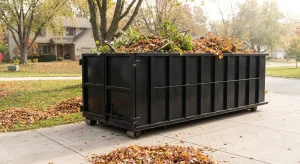
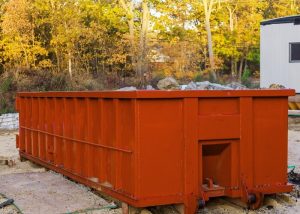
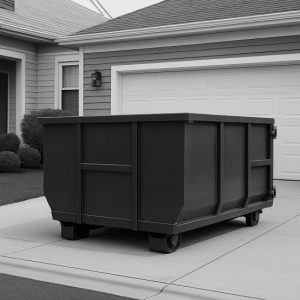
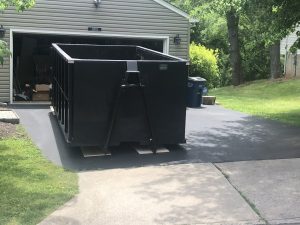
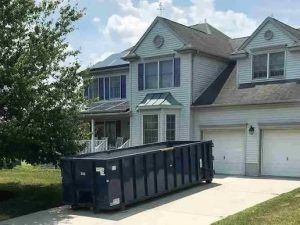
The third step is deciding whether direct hauling is the right fit. For a short renovation with a defined amount of material, a pickup can be more practical than leaving a container in the driveway. For a long construction schedule, Expert Construction Dumpster Rental in Marietta, GA may provide better day-to-day control because workers can add debris as the project progresses.
Another overlooked detail is the final pass through the site. High-End Construction Site Cleanup in Marietta, GA should not stop when the large pieces are gone. Nails, screws, small drywall fragments, broken tile, plastic wrap, and pieces of trim can remain around the work area. A good cleanup process accounts for those smaller remnants instead of treating the truckload as the finish line.
That is one gap in many local service pages: they explain what materials can be hauled but spend less time explaining how the property should be left afterward. For a homeowner preparing for an inspection, listing, tenant move-in, or final contractor payment, that last sweep can matter just as much as the hauling.
Practical Tips: What to Know Before You Decide
Working with clients in Marietta, our team found that the most useful information to provide before pickup is not just a photo of the pile. A few details can make an estimate much more realistic: approximate volume, material type, number of floors, access conditions, and whether the debris is already consolidated.
Here are several practical checks worth making before scheduling:
Separate unusual materials. Paint, chemicals, propane cylinders, refrigerants, and other restricted materials may require different disposal arrangements. Do not assume that every item sitting beside a construction pile belongs in the same load.
Think about weight, not just size. A truck full of cardboard and light framing is very different from a similarly sized load containing brick, tile, dirt, or concrete. Concrete debris removal can become expensive or logistically difficult because dense materials add weight quickly.
Decide whether you need labor. If the debris is already stacked at the curb, you may need transportation more than cleanup. If it is scattered throughout a basement, backyard, or upper floor, the labor component becomes much more significant.
Ask what the quoted price includes. Clarify whether loading, hauling, disposal, stairs, extra labor, and final cleanup are included. An unusually low starting price may not tell you what the completed job will cost.
Check local disposal rules. Cobb County oversees construction and demolition waste management and maintains information on disposal facilities and hauler requirements.
For a small homeowner project, searching for construction debris removal near me can produce plenty of options, but proximity alone should not decide the hire. Ask whether the provider is insured, what materials they accept, how estimates are calculated, and where applicable waste is taken.
Contractors should also consider scheduling reliability. A delayed haul can leave trades working around debris, interfere with deliveries, or create unnecessary congestion on a residential site. For larger commercial jobs, commercial construction debris hauling may require a more deliberate schedule so removal does not interfere with crews, equipment, or customer access.
One useful rule is to schedule removal around project milestones rather than waiting until the final day. A framing cleanup, drywall cleanup, and final cleanup can each happen at different stages. Removing accumulated waste at the right points often keeps the site safer and easier to work on.
If the project needs urgent turnover, same day construction debris removal may be possible depending on crew availability, debris type, location, and scheduling. It is still worth confirming the details before assuming a same-day slot is guaranteed.
Finish the Project With a Clear Site
A renovation is not truly finished if leftover material is still blocking the driveway or scattered around the property. The right removal method depends on the volume, material, access, timing, and whether you need labor as well as transportation.
For homeowners, builders, and property managers needing construction debris removal in Marietta, Great Scott Hauling can be considered as part of the final cleanup plan. Start by photographing the debris, identifying heavy or unusual materials, and describing the access conditions; those details make it easier to get a useful quote and choose the right service.
FAQs
What can be removed after a construction project in Marietta?
Typical construction loads include drywall, lumber, flooring, cabinets, tile, brick, roofing materials, metal, cardboard, and other non-hazardous renovation waste. Heavy materials such as concrete may require special consideration because weight affects hauling and disposal. Restricted materials should always be disclosed before pickup rather than mixed into an ordinary construction load.
How much does construction debris removal cost in Marietta?
There is no single price because volume, material weight, labor, access, travel, and disposal fees can all affect the total. Cobb County itself charges disposal fees based partly on weight and residency. A reliable quote should account for the actual debris rather than relying only on a generic starting price.
Is a dumpster better than hiring a debris removal crew?
It depends on how the project runs. A dumpster can work well when debris is generated steadily over several days or weeks and the crew can load it themselves. Direct hauling may make more sense after a smaller renovation, especially when you want the material loaded and removed without keeping a container on the property.
How do I know a construction debris hauler is legitimate?
Ask for proof of insurance, clear pricing, accepted-material guidelines, and information about disposal practices. If the provider operates in areas covered by Cobb County requirements, you can also check local solid-waste information regarding hauler permitting and disposal rules. A professional should answer these questions directly instead of giving vague assurances.
Can construction debris be picked up the same day?
Same-day pickup can be available, but it depends on crew capacity, the amount and type of debris, property access, and the time of the request. Give the hauler accurate photos and details before scheduling. That helps determine whether the load can realistically be handled within the available service window without surprises.